
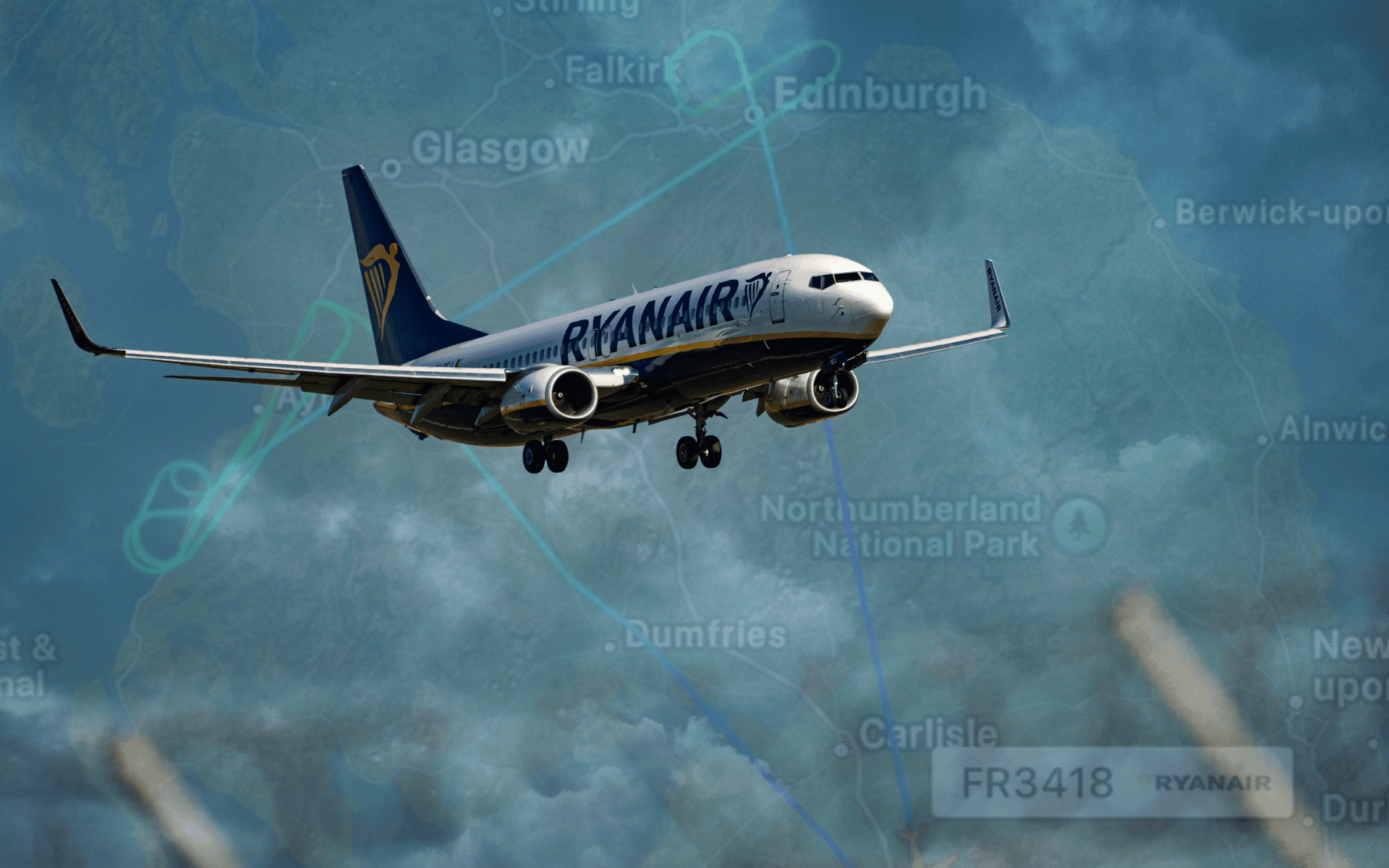
Ryanair's fuel emergency turned a routine flight into a near disaster.
On October 3, 2025, Ryanair flight 3418 took off from Pisa International Airport (PSA) in Italy and flew to Glasgow Prestwick Airport (PIK) in Scotland. What was supposed to be a two-and-a-half-hour journey to Scotland turned into a 10.5-hour ordeal that almost ended in tragedy.
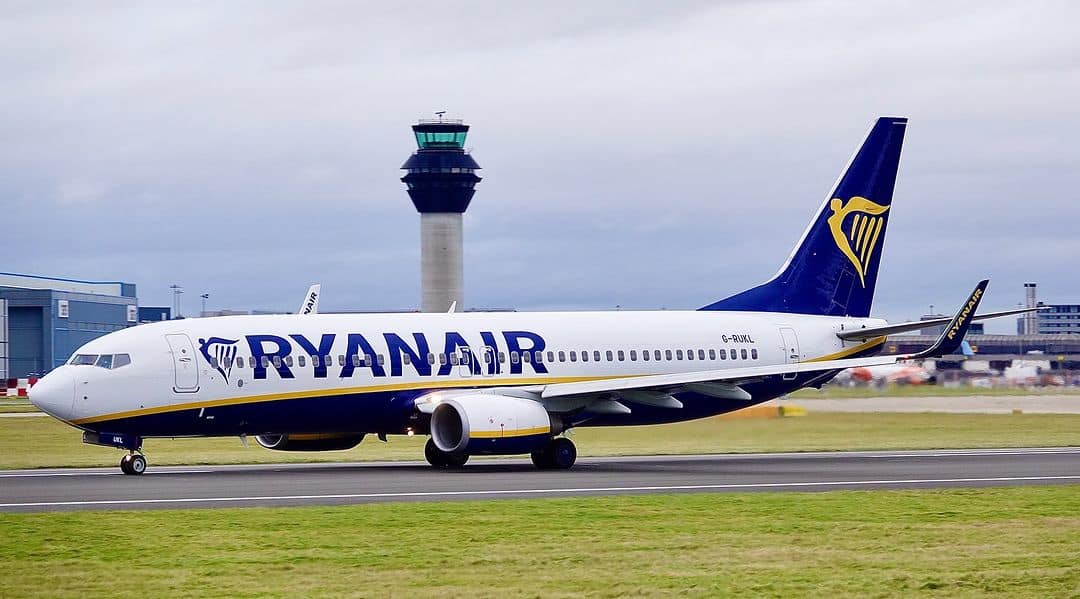
The Boeing 737-800 (registration number 9H-QBD) operated by Ryanair subsidiary Air Malta left the gate on time at 1615 local time, but did not actually take off until 1728. Protests by pro-Palestinian demonstrators in Pisa delayed the plane's takeoff after entering the runway, adding an hour and 13 minutes of taxiing time before takeoff. The incident had a knock-on effect on the evening's flight schedule, forcing crews to deal with changing weather windows across Europe.
When flight 3418 arrived in Scottish airspace, the situation quickly deteriorated. Storm Amy is battering the area with wind gusts approaching 100 miles per hour. The system was strengthened by the remnants of former Hurricane Humberto, a former Category 5 storm that crossed the Atlantic and is now sweeping Northern Europe with tropical storm-force winds and heavy rains.
Three airports, three go-arounds
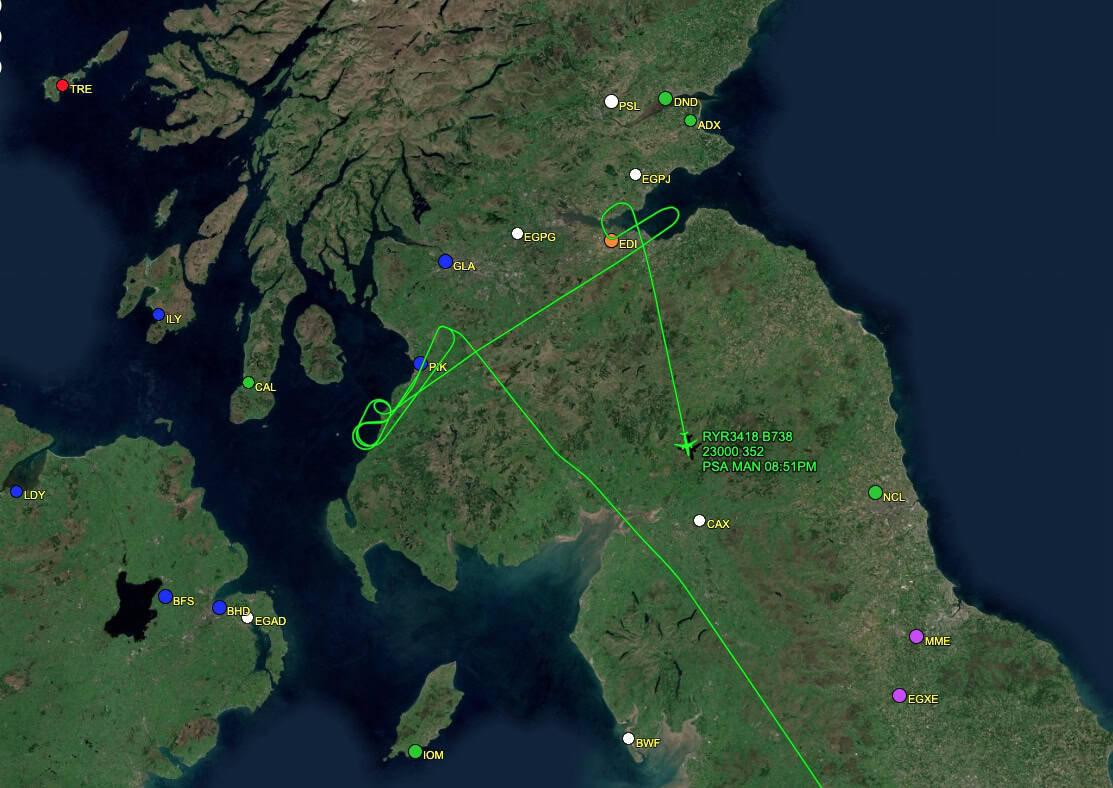
Prestwick is already facing wind gusts in excess of 50mph and there are reports of severe turbulence below 2,000ft. As the Boeing aircraft prepared to enter Runway 20, the approach became unstable and the crew initiated a go-around. After a brief layover, they tried again about 30 minutes later, but were forced to go around again when the aircraft was buffeted by gusts and wind shear.
With fuel reserves dwindling, the crew turned east towards Edinburgh. Conditions there are only slightly better. It was windy, rainy and turbulent. As the aircraft descended toward Runway 24, the pilot again chose a go-around and was unable to maintain a stable approach. This resulted in three go-arounds at two airports in less than two hours.
By this time, the situation became very critical. After a failed landing attempt at Edinburgh, the crew declared an emergency fuel emergency and called 7700 to warn air traffic control that their fuel levels were below the minimum reserve fuel threshold. The declaration gives them priority landing rights at the nearest suitable site, in this case Manchester Airport (MAN) in England, approximately 185 miles to the south.
The weather was not great when the flight landed in Mann, but not as bad as what they had experienced in Scotland. Wind gusts were in the mid-40s but were blowing almost straight toward Runway 23R. Visibility is good. The crew lined up for the fourth and final entry of the night.
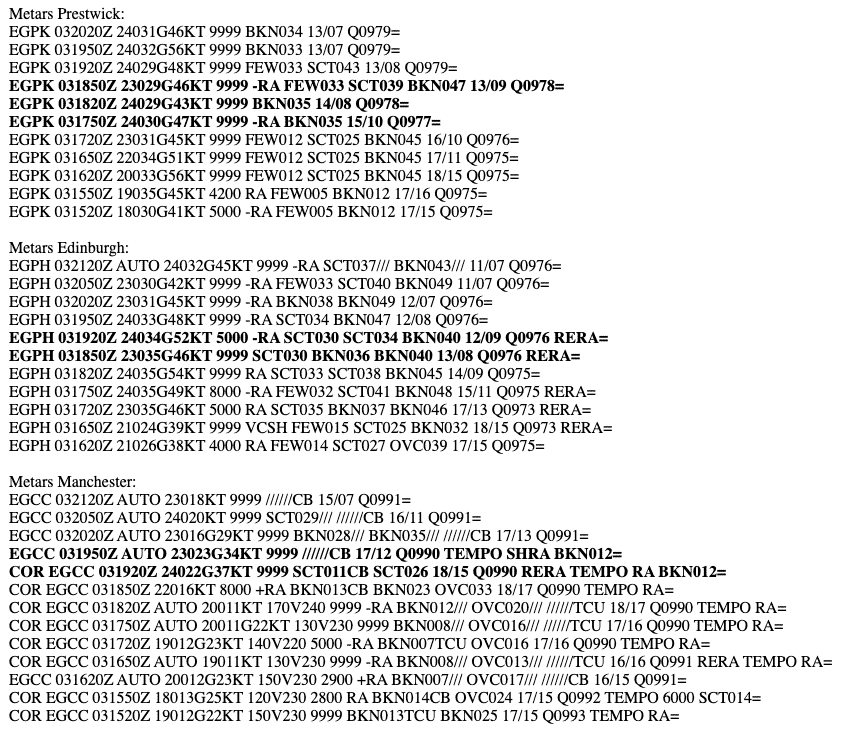
It is worth noting that although gusts reached 54 mph in Prestwick and closer to 60 mph in Edinburgh, the wind direction (approximately 230 to 240 degrees) was closely related to the runways in use: Runway 20 at Prestwick, Runway 24 at Edinburgh and Runway 23R at Manchester. Therefore, the crosswind component was not a factor in this accident. The challenge isn't lateral control…it's the turbulence, unpredictable wind gusts and the cumulative fuel consumption of each track in weather conditions.
six minutes from empty
When flight 3418 landed safely at MAN at 2051 local time, the Boeing aircraft had been in the air for more than four hours (a total block time of 5 hours and 36 minutes. Passengers then took a bus from Manchester to Prestwick, a journey of approximately 5 hours). Only 220 kilograms (approximately 58 US gallons) of fuel remain—enough to approx. Six minutes left flight. The left tank can bear 100 kilograms, and the right tank can bear 120 kilograms.
under EU regulationscommercial aircraft must have at least 30 minutes of reserve fuel when landing. For a 737-800 aircraft, this is approximately 394 US gallons. This flight was well below that threshold. The British Air Accident Investigation Branch (AAIB) has classified the incident as a “serious incident”.
It was almost a fatal accident.
Pilot (passed The Guardian)
a pilot Tell British The Guardian“Whenever you land weighing less than two tons [≈528 US gallons] Fuel, you start paying close attention. Below 1.5 tons [≈396 US gallons]you are sweating. It was almost a fatal accident. “
The flight log showed that the aircraft had left Pisa with the required fuel reserves. But long taxi delays, multiple go-arounds and diversions pushed its endurance to its limits. With only six minutes of available fuel left, there was simply no room left for another attempt.
If the crew was forced to attempt another go-around, or if turbulence caused a Manchester go-around, the results could have been catastrophic. Every second, every configuration change, every turn counts. The workload on the cockpit will be enormous: balancing checklists, communicating with ATC, managing systems and staying calm under pressure.
In the final minutes, everything had to go perfectly – and thankfully, it did. But what happened to Flight 3418 highlights how thin the line is between a controlled diversion and a full-blown emergency. Three go-arounds, two diversions and a storm left the 737 in trouble. For all the wrong reasons, six minutes of fuel prevented Ryanair flight 3418 from becoming another record in aviation history.