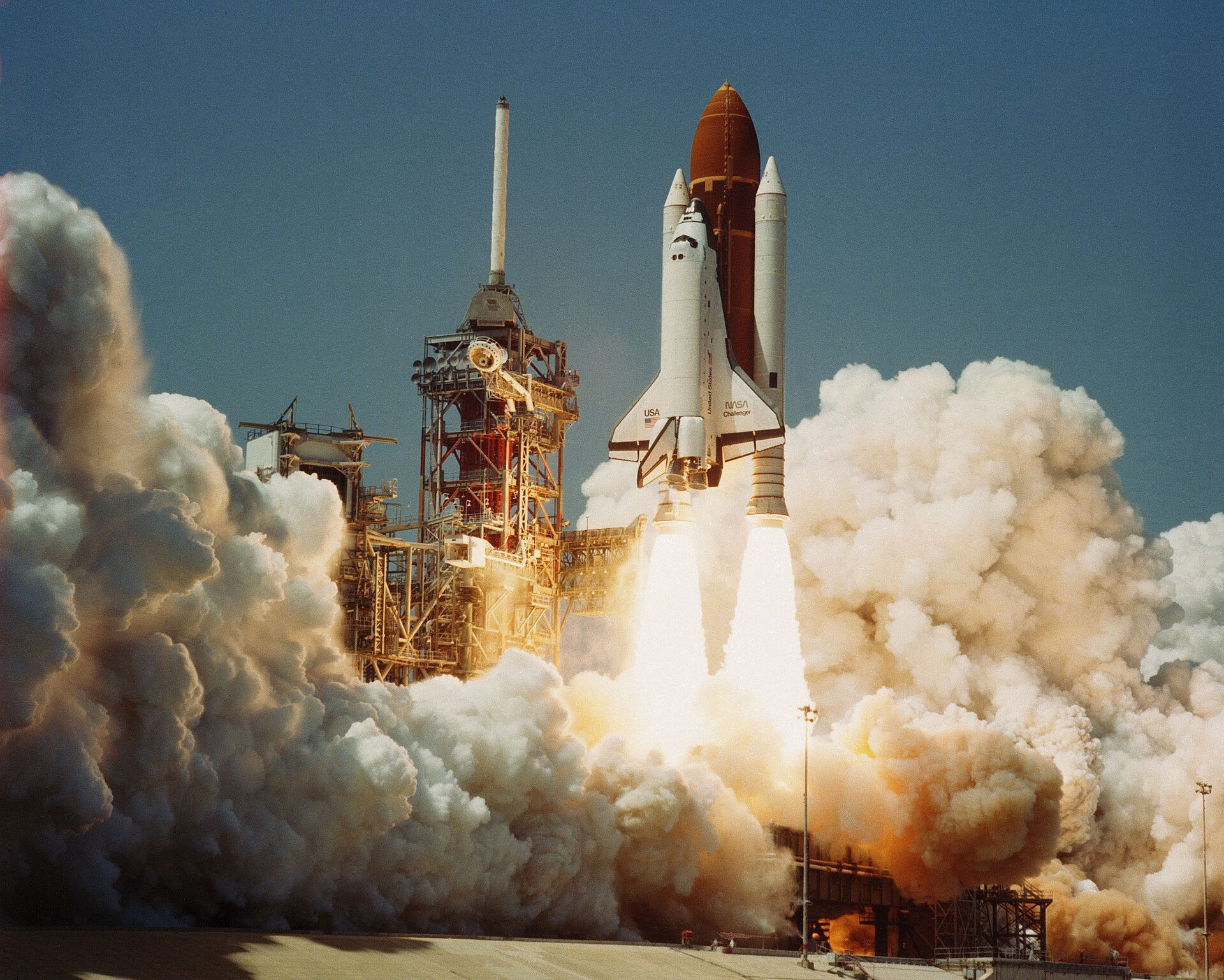
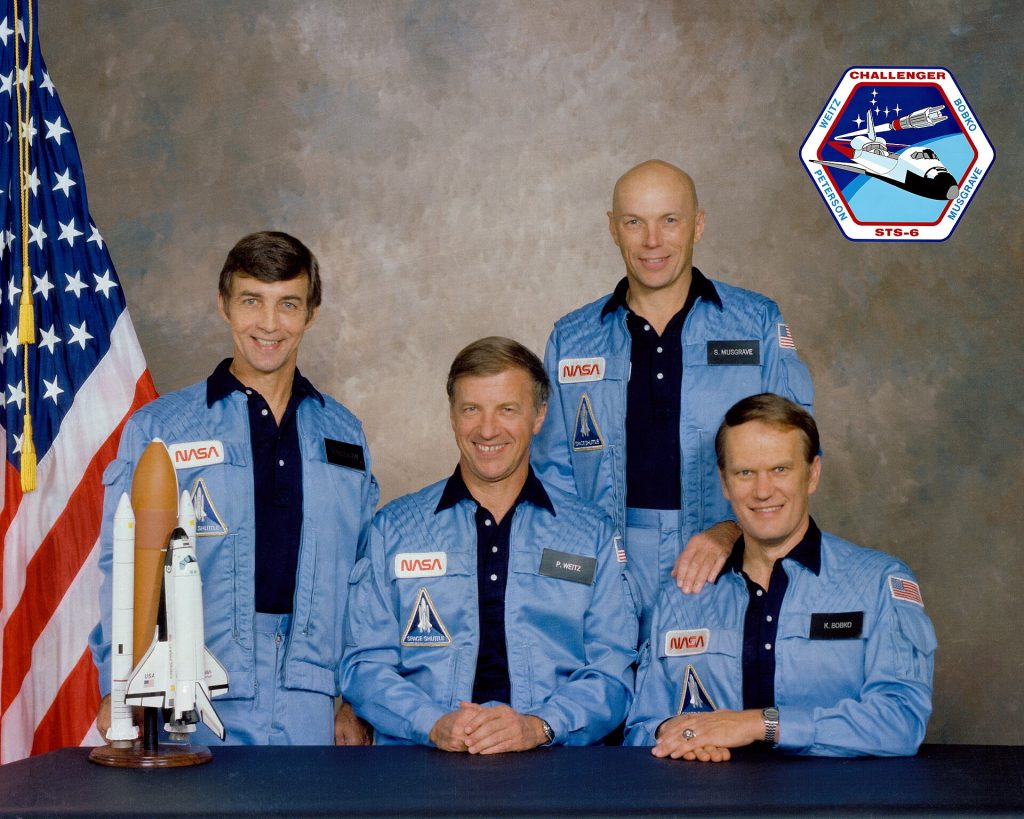
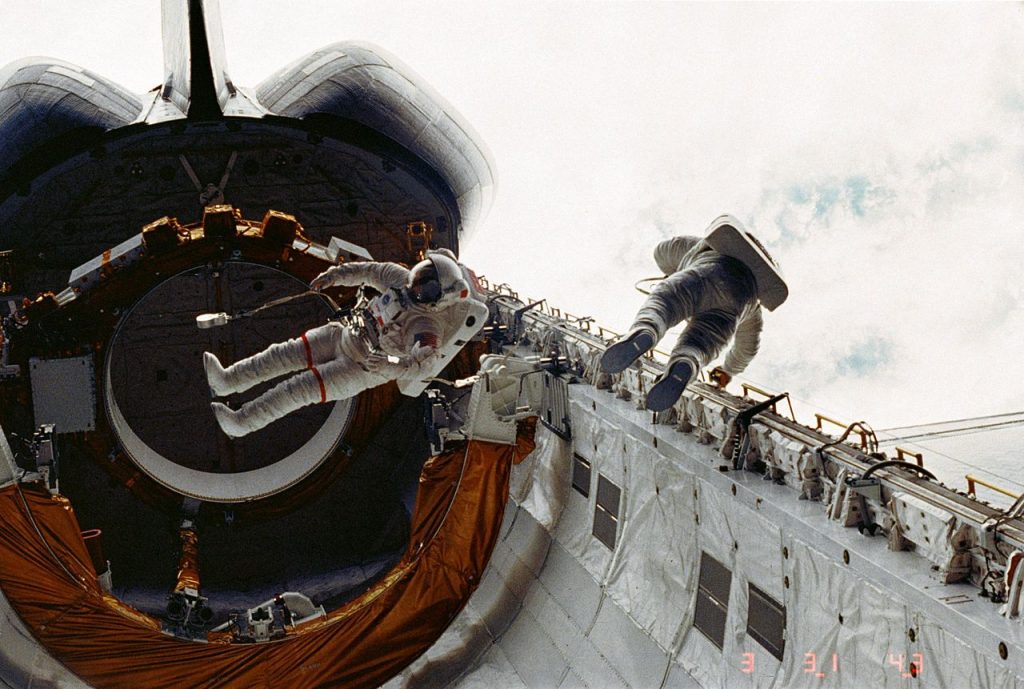
On this day in aviation history 43 years ago (April 7, 1983), STS-6 (Space Transportation System-6) became the first space shuttle mission to perform a spacewalk. The Space Shuttle Challenger launched from Launch Pad LC-39A at Kennedy Space Center at 1:30 pm EST on April 4, 1983. Four astronauts aboard Challenger participated in the flight: Commander Paul J. Weitz, Pilot Karol J. Bobko, Mission Specialist 1 F. Story Musgrave and Mission Specialist 2/Flight Engineer Donald H. Peterson.
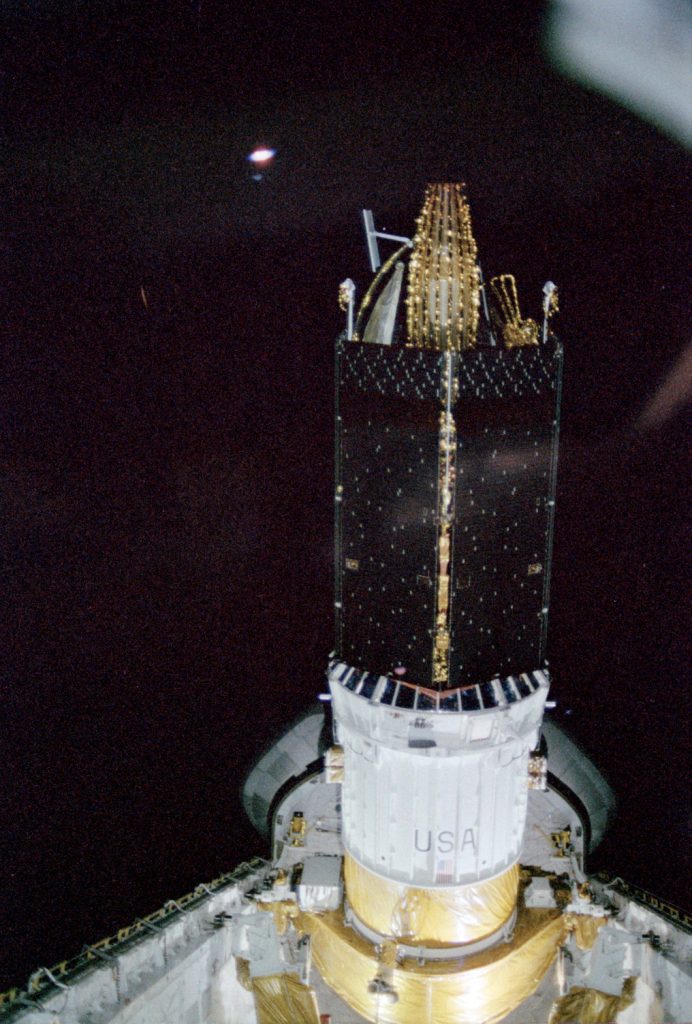
STS-6 deployed the first tracking and data relay satellite, TDRS-1, into orbit. The satellite is used to enhance communications between space crews and ground control facilities. The crew of Challenger became the first to conduct an “extravehicular activity,” or spacewalk, from the space shuttle. Additionally, STS-6 was the first shuttle mission to use an extravehicular mobility unit (EMU). The spacewalk was performed by Musgrave and Peterson, who performed various tests in the orbiter's payload bay. Their walk lasted 4 hours and 17 minutes.
The deployment of TDRS-1 was initially successful, but its two-stage booster rocket inertial upper stage (IUS) caused the spacecraft to deviate from its planned trajectory. Using additional fuel provided by the satellite's attitude control thrusters, NASA crews were able to activate the thrusters at carefully planned intervals to return TDRS-1 to orbit. On April 9, 1983, STS-6 and crew successfully returned to Earth, landing on Runway 22 at Edwards Air Force Base at 10:53:42 AM PST. With the mission now complete, NASA successfully conducted its first spacewalk since Skylab 4 nearly a decade ago.