
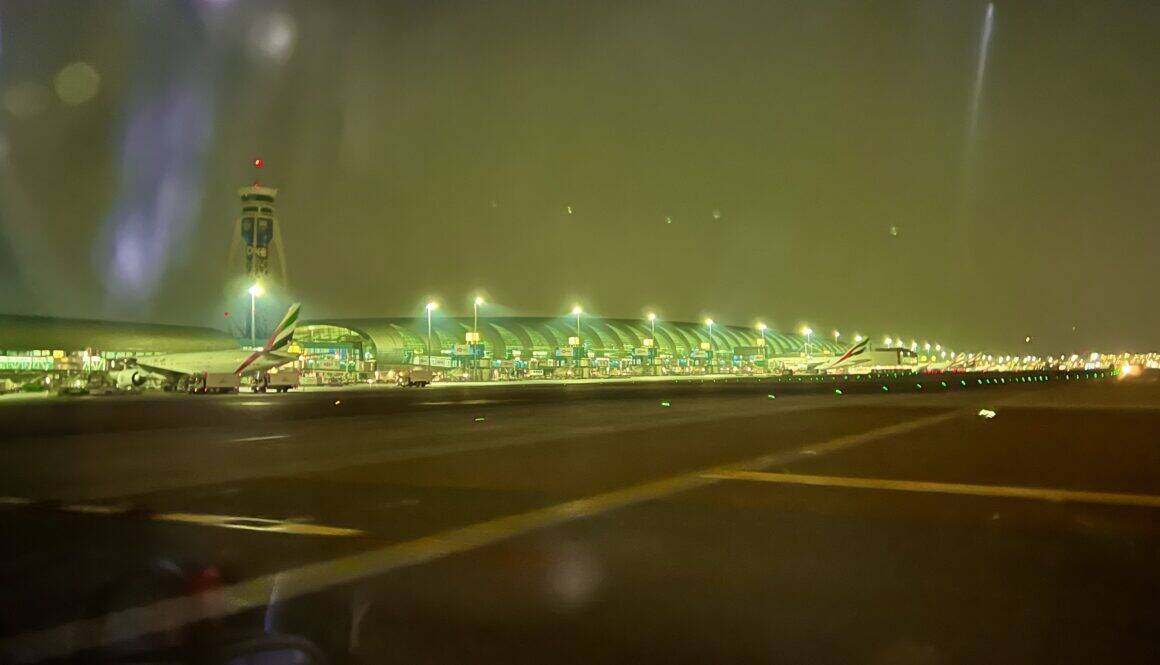
Airlines evacuating passengers from conflicts in the Middle East are scrambling to move passengers as airspace closures paralyze regional aviation.
Nearly a week after military strikes and missile attacks closed wide swaths of airspace in the Middle East, flights in the region are still experiencing severe disruptions. There are now only a handful of flights from major aviation hubs, leaving tens of thousands of travelers stranded and forcing airlines, governments and regulators to develop new evacuation plans.
There is one major complication for Americans concerned about the situation: U.S. airlines are not currently allowed to operate relief flights to the region.
As a result, foreign airlines, government charter flights and some partially reopened airports are dealing with the difficult task of ferrying travelers out of the country.
Global aviation network suddenly disrupted
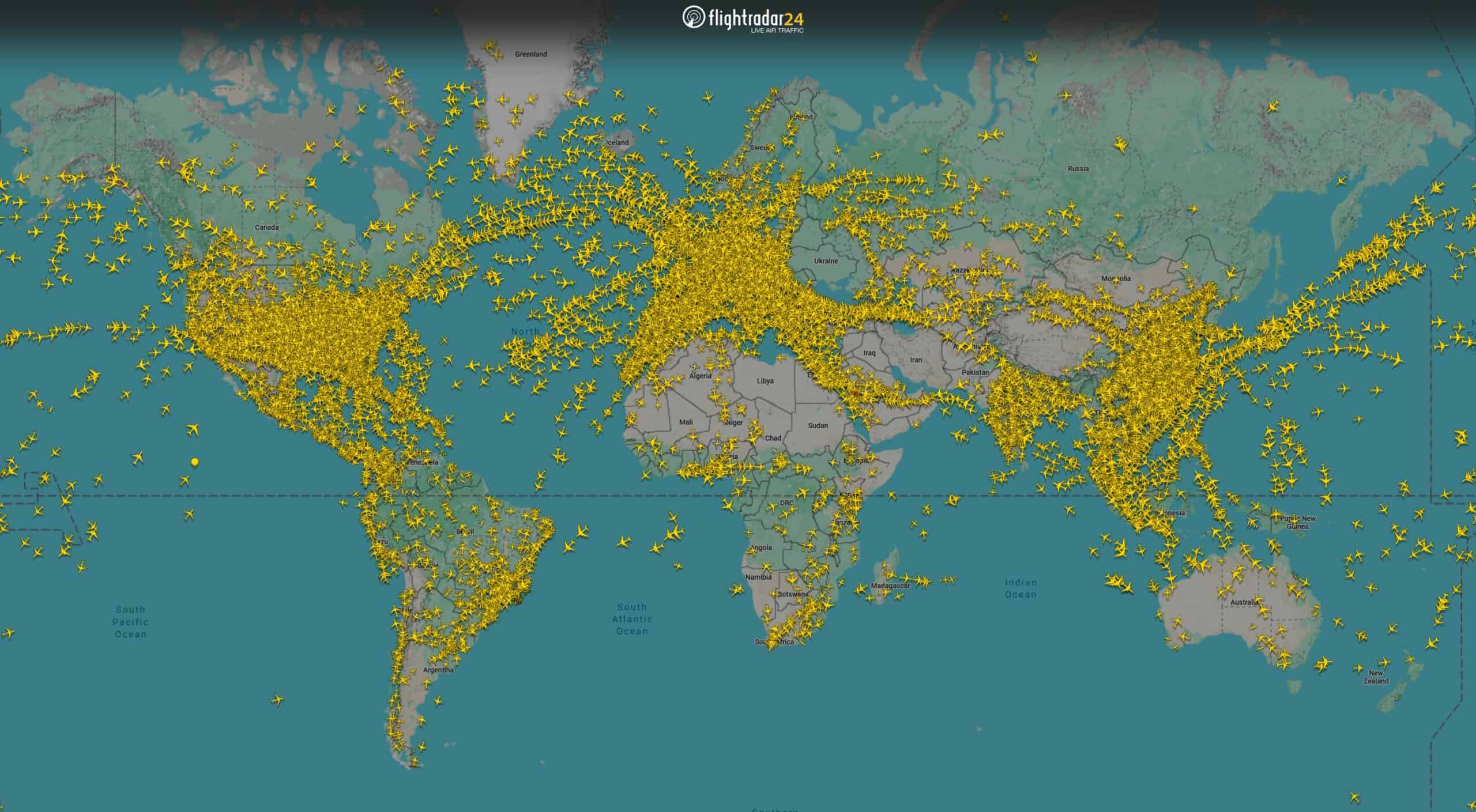
when Epic Fury Operation Once it began, the Middle East's aviation network was effectively paralyzed overnight. As missile attacks and military operations escalate, many countries have closed their airspace.
Airports in Iran, Iraq, Syria, Israel, Qatar, Bahrain and Kuwait remain closed or subject to severe restrictions. This cuts off key routes for international airlines connecting Europe, Asia, Africa and North America.
This situation has had a huge impact on the global aviation industry.
An estimated 900,000 airline seats are filled daily to and from the Middle East, according to aviation analytics firm Cirium. Some 4.4 million seats have been canceled in the region since the conflict began.
Even the largest airport in the region has much lower capacity. Dubai International Airport (DXB), normally one of the world's busiest airports, has seen a sharp drop in operations since the airspace closures began.
Normally, the airport handles approximately 1,200 flights per day.
Despite the chaos, a limited number of rescue flights are slowly resuming some operations.
Emirates leads rescue efforts
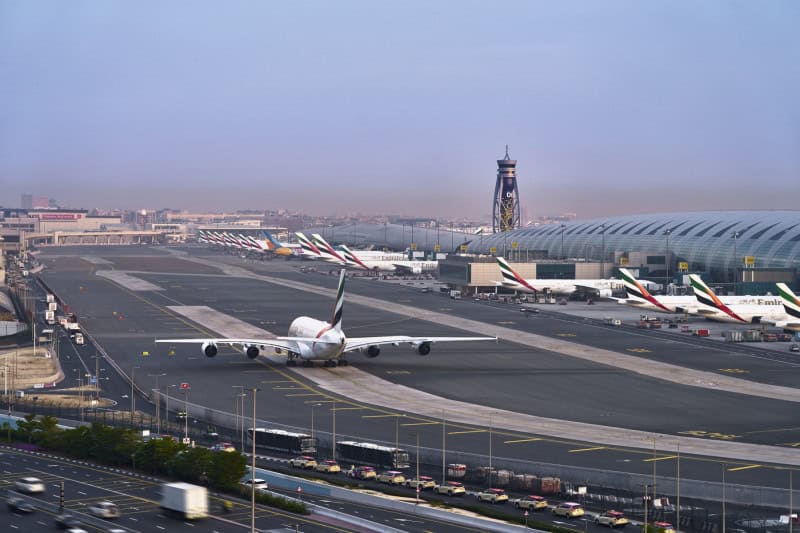
The United Arab Emirates was the first country to make real progress, partially reopening its airspace and establishing special “safety corridors” for flights leaving Dubai (DXB and Al Maktoum International DWC), Abu Dhabi Zayed International Airport (AUH) and Sharjah International Airport (SHJ).
These routes allow a limited number of aircraft to leave the area while avoiding unsafe areas.
Emirates is one of the first airlines to use these corridors. Emirates, flydubai, IndiGo and Etihad Airways began operating limited flights to help stranded passengers leave the country.
Since DXB and AUH are usually major international transportation hubs, a large number of travelers are stranded there. Airlines have used their largest equipment to cope.
Emirates and Etihad Airways both use Airbus A380 aircraft on some flights, allowing them to carry hundreds of passengers at a time. Many of these flights go to European and Asian cities such as London or Singapore. For many travelers, these flights are just the first step home, as they move on to other flights once they reach countries with open airspace.
Other airlines are joining in. Flight tracking shows that Air India, Air Arabia, Uzbekistan Airways, Kenya Airways, Royal Air Maroc, Freightliners, Royal Jordanian Airlines and SpiceJet have all launched flights back to their home countries from Dubai.
European airlines launch repatriation flights
Airlines from outside the region have also played a role in the evacuation efforts, particularly in neighboring countries where airports are still operating.
Muscat, Oman, has become one of the main escape routes for travelers leaving conflict zones.
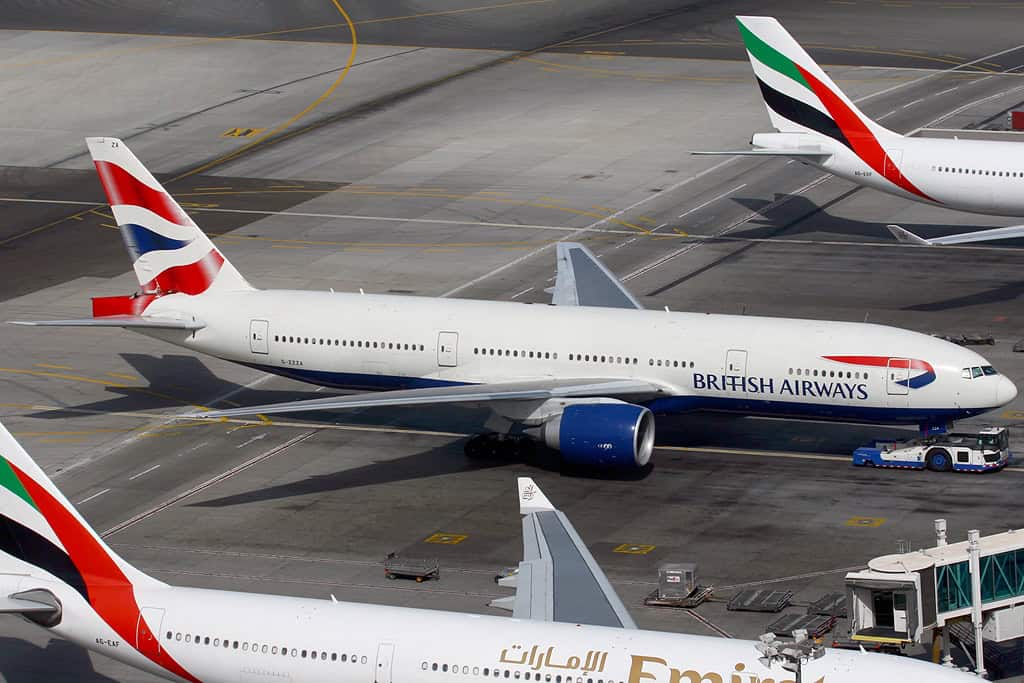
European airlines including Lufthansa, SWISS, Smartwings, Aegean Airlines and British Airways have been operating special repatriation flights from Muscat International Airport (MCT) to repatriate citizens.
Some airlines also tried direct relief flights from Dubai. Croatia Airlines and Smartwings operated some flights to evacuate stranded passengers.
However, the security situation forces airlines to remain cautious. While the frequency of Iranian missile and drone incursions into UAE airspace has declined, the country continues to experience intermittent incursions even as recent Such as Thursday, March 5th.
Air France announced plans for a repatriation flight from Dubai to Paris, but quickly canceled it because of what the airline said was an “ongoing security situation.”
Russian airlines Aeroflot and S7 Airlines also continue to fly passengers from the region. However, their flight to Moscow took significantly longer because the plane had to maneuver around large swaths of restricted airspace.
Even with these flights, there are still not enough seats for everyone who wants to leave.
British Airways said on social media that all limited relief flights over the weekend were full.
American Airlines unable to carry out rescue mission

While airlines from other countries have launched evacuation flights, U.S. airlines have mostly not participated in rescue efforts.
The reason is regulation.
U.S. airlines are not allowed to operate flights into hazardous airspace without approval from the Federal Aviation Administration (FAA).
As a result, airlines such as United Airlines and Delta Air Lines are instead focusing on suspending service and helping to safely relocate crews.
United Airlines, which has been operating flights to Tel Aviv Ben Gurion Airport (TLV) and Dubai International Airport (DXB), spent several days evacuating pilots and flight attendants from the area after the conflict escalated.
flight attendants association explain Military operations put airline crews “at risk”.
The Air Line Pilots Association said all United crew members were eventually evacuated from Dubai. Some people reportedly traveled across Saudi Arabia by land and then took commercial flights out of Riyadh's King Khalid International Airport (RUH).
United has now canceled TLV and DXB flights through at least March 11. Delta Air Lines has suspended flights between New York's JFK Airport and TLV until March 22.
U.S. government charter flights
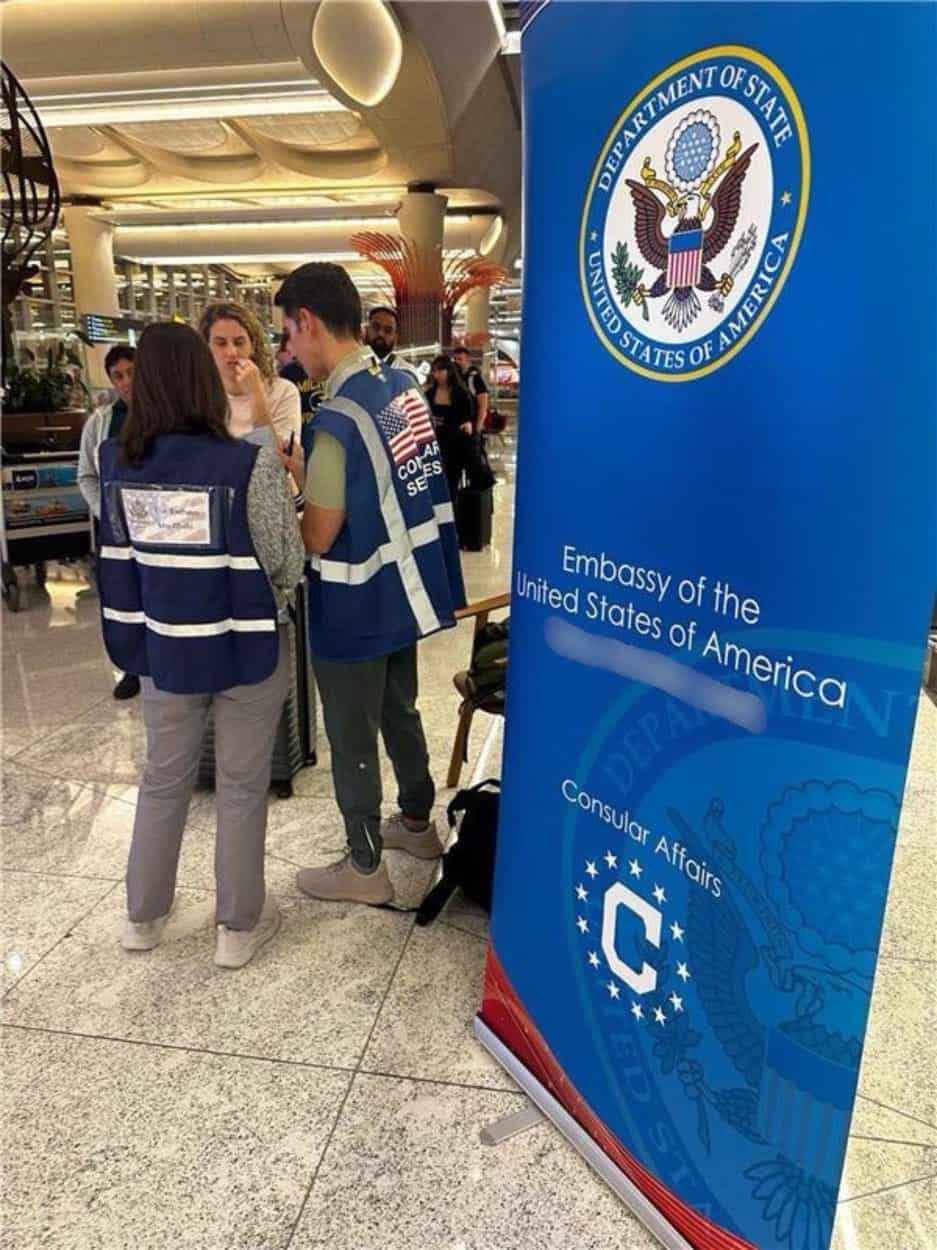
With U.S. airlines unable to operate rescue flights, the U.S. government has stepped in to help stranded citizens.
The U.S. State Department confirmed that charter flights are currently being used to evacuate Americans from the area.
A charter flight carrying U.S. citizens took off from the Middle East on Wednesday, and officials said more flights would be added if safety conditions allowed.
So far, the State Department says nearly 18,000 Americans have returned to the United States since the crisis began. About 7,300 of these travelers received direct assistance from the government.
Thousands more have arrived in Europe or Asia and are continuing home from there, officials said.
Americans still in the area are urged to contact the State Department's 24-hour Emergency Task Force or register online for assistance.
Officials say the registration helps them know where citizens are and allows the government to quickly notify people when evacuation flights are available.