
The Middle East travel market is booming, driven by massive public investment and global events. unprecedented prosperity.
In 2024, Dubai will receive 18.72 million tourists, a 9% increase from 2023; as of October 2024, Abu Dhabi has received approximately 4.8 million hotel guests, a year-on-year increase of 26%. Likewise, tourism in Saudi Arabia has reached an all-time high: thanks to new visas and large-scale projects, the number of international tourists will reach approximately 30 million by 2024.
Overall, Middle East tourism currently far outpaces local GDP growth. According to Phocuswright Middle East Travel Market Report 2025the surge reflects “one of the world's most ambitious transformations” in the travel industry, with destinations such as the United Arab Emirates, Saudi Arabia, Qatar and Egypt becoming global tourism powerhouses.
Technology Frontiers: Artificial Intelligence, Biometrics and Tokenization
In addition to building islands and hotels, the Middle East is also actively embracing cutting-edge tourism technology.
Generative AI and automation
Artificial intelligence (AI) is reshaping travel planning and operations. Globally, recent surveys The study found that more than a third of leisure travelers use generative AI for trip planning, and 44% now trust AI recommendations throughout the booking process.
Middle Eastern travelers are enthusiastic adopters. a study A survey by Wyndham Hotels & Resorts revealed that 79% of Gen Z travelers in the UAE have used or want to use artificial intelligence tools to design itineraries. Travel companies in the region are piloting AI chatbots, dynamic packaging, and even autonomous “travel agents” that can book complex itineraries.
With AI agents capable of web browsing and booking (expected by 2025), Middle Eastern online travel agencies (OTAs) and airlines see this as an opportunity to personalize service and regain loyalty given their tech-savvy customer base.
Biometric border control and digital IDs
The Gulf region is pioneering frictionless travel through biometric technology. This year, Dubai International Airport launched an AI-powered immigration corridor that will be available at approx. 14 seconds No need to show your passport. flydubai and other airlines have added facial recognition smart gates for crew members, reducing paperwork and wait times. These initiatives are part of Dubai’s “Infinite Smart Travel” vision, a comprehensive move towards Traveler experience without borders.
Likewise, discussions about blockchain digital IDs for travelers are ongoing (e.g. the World Economic Forum and Accenture’s Known Traveler Digital Identity) This will enable passengers to instantly share authenticated identity data at the border.
In short, airports and tourism authorities in the Gulf are aiming for seamless app-driven travel, where passports and visas become largely digital and biometric.
Tokenization and Blockchain
The Middle East is also exploring blockchain for travel assets and payments. Airlines and hotels are experimenting with non-fungible tokens (NFT)-based tickets and bookings to curb fraud and resale. For example, blockchain startups are issuing NFTs for hotel bookings, creating a secondary market for travelers to resell rooms.
When it comes to payments, major operators are embracing cryptocurrencies: Emirates Airlines signs agreement Partnering with Crypto.com so that starting next year, customers can book flights using cryptocurrency. Air Arabia also announced similar news Accept UAE digital coins for booking.
Longer term, analysts envision a time when consumers can declare travel needs on digital marketplaces and let airlines/hotels bid in tokens, fundamentally changing distribution and pricing. (This is consistent with Phocuswright’s vision of a “fully tokenized” travel economy, where smart contracts handle refunds and transfers.)
Emerging destinations and new hubs
In addition to traditional attractions (Dubai, Abu Dhabi, Doha), the region is cultivating new tourist centers:
- Saudi Arabia: Saudi Arabia has rapidly transformed under Vision 2030. Megaprojects such as NEOM (including Trojena ski resort), Red Sea Project (luxury eco-resort), Diriyah (historic capital) and Qiddiya are redefining tourism in the Middle East. These focus on high-end, sustainable tourism; Diriyah alone, for example, aims to welcome 27 million visitors per year by 2030. Pouring Access to hotels and theme parks, and Saudi Arabia’s introduction of e-Visa (valid for 66 countries) makes traveling easier.
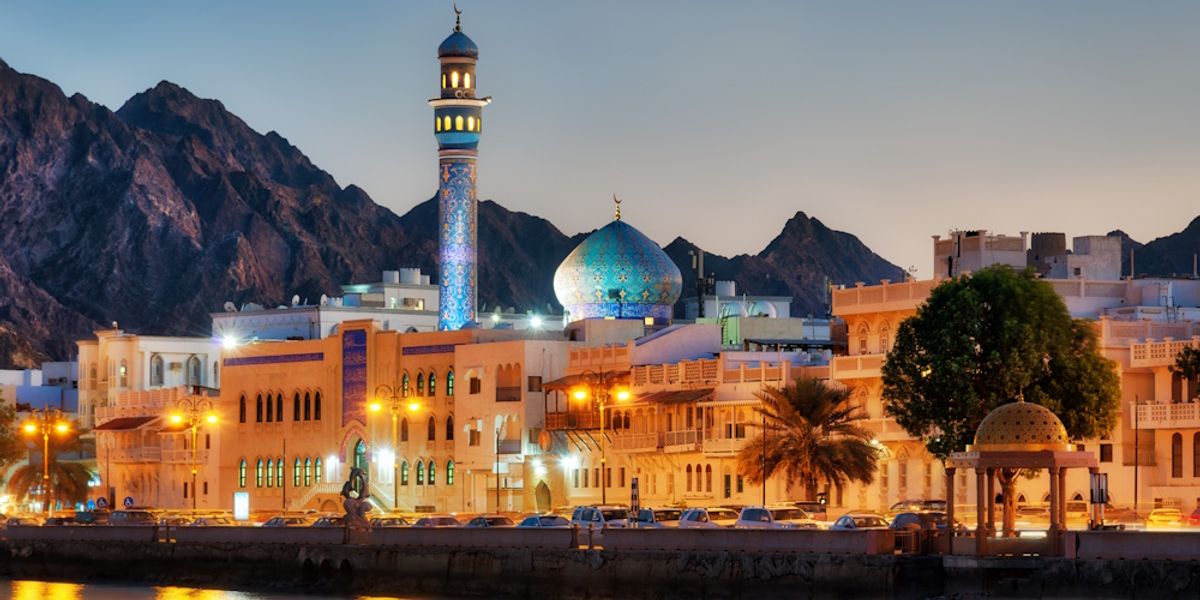
- Oman: Oman is upgrading its resorts and air links. The Oman Development Agency has entered into a strategic partnership with TUI to build five beach resort hotels in Dhofar (Salalah) by 2028. The cluster is part of Oman Vision 2040, which aims to make Oman a year-round beach and cultural destination. Other projects (Muscat Bay, Al Mouj, Oman) and improved airports are contributing to tourist growth. In fact, Oman will receive approximately 3.9 million tourists in 2024, of which tourism revenue Double-digit growth and strong momentum.
- Egypt: Egypt experienced Tourism renaissance. In the first half of 2025, the website had approximately 8.7 million visitors (up 24% from 2024) and is on track to achieve its annual target of 18 million visitors. In 2024, tourism revenue will reach a record $15.3 billion. The government's $1.03 billion new hotel expansion plan and large-scale projects on the Red Sea and North Coast (eg Marassi, Ras el Hekma) are the main drivers. The tourism industry is considered one of the fastest growing markets in the world, as tourists rediscover Egypt's heritage (pyramids, Nile cruises) and new luxury resorts.
- Other highlights: Qatar and Bahrain continue to invest in tourism infrastructure, and Iran has eased visa rules, but its travel remains restricted. In the UAE, Abu Dhabi is also driving growth (4.8 million hotel guests 2024 to October) through cultural projects and new routes. Overall, capital flows are diversifying; investors will see strong returns in any Gulf country that opens its doors.
Thriving innovation ecosystem
All these changes stimulated Entrepreneurship boom Middle East and North Africa (MENA) travel technology sector. Funding for regional tech companies is surging. For example, July 2025 MENA startups raised $783 million (+1,411% QoQ). Saudi Arabia and the United Arab Emirates dominated the deals (collectively raising about $755 million in July) as investors poured into sectors such as e-commerce, fintech and travel technology.
Governments are actively pursuing this goal: Saudi Arabia’s Vision 2030 and various accelerators in the UAE prioritize travel and hospitality technology. As a result, today’s Middle East travel startups are moving beyond booking platforms to offer end-to-end digital experiences – from AI trip planning to on-demand wellness travel.
The transformation of tourism in the Middle East provides both a blueprint and a warning. The region combines visionary leadership with bold innovation: modern tourism infrastructure coexists with artificial intelligence-driven services. The rise of the Middle East means that future global travel standards (convenience, personalization and technology) are likely to be set there. Stakeholders must take note: the strategies implemented under the desert sun—the adoption of agile technologies, immersive cultural offerings, and tokenized commerce—are likely to reverberate throughout the world’s travel industry for years to come.
For more coverage of Middle East Month, check out our previous coverage: