
Michelle Weir
functional nutrition Considered preventive medicine that optimizes health and prevents chronic disease before symptoms appear. It focuses on the root causes of health problems by considering the interconnectedness of genetics, lifestyle, environment and body systems rather than just counting calories and treating symptoms. The goal is to customize a meal plan to achieve optimal health. Functional nutrition is closely related to functional medicine, which treats food as medicine to support healing, reduce inflammation, and overall physiological function.
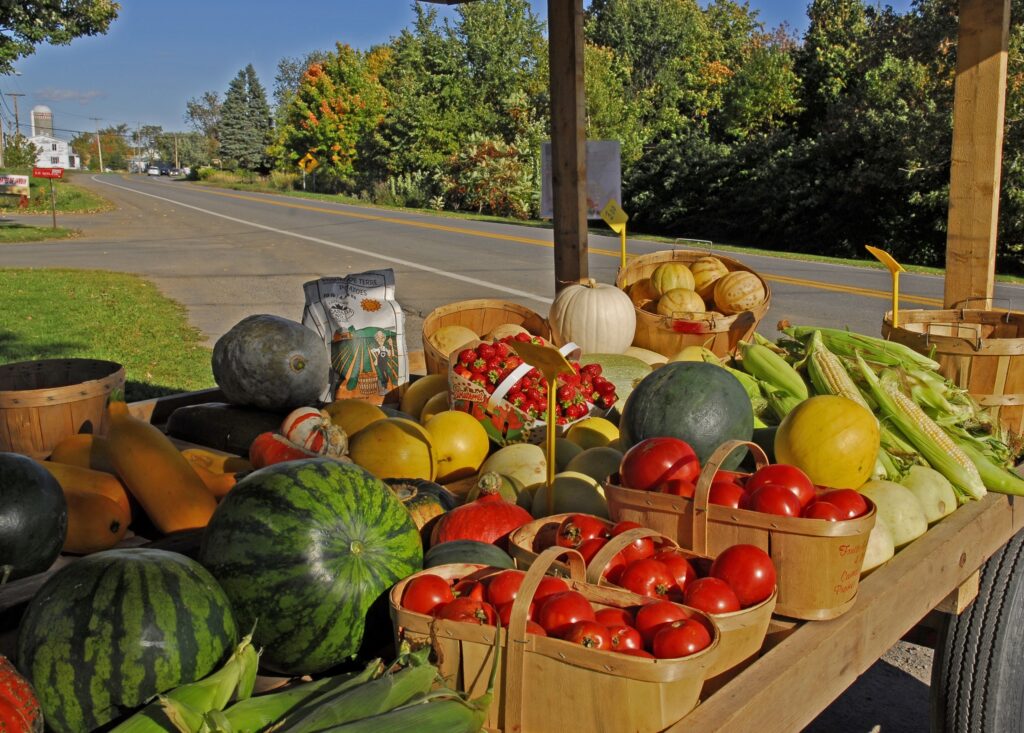
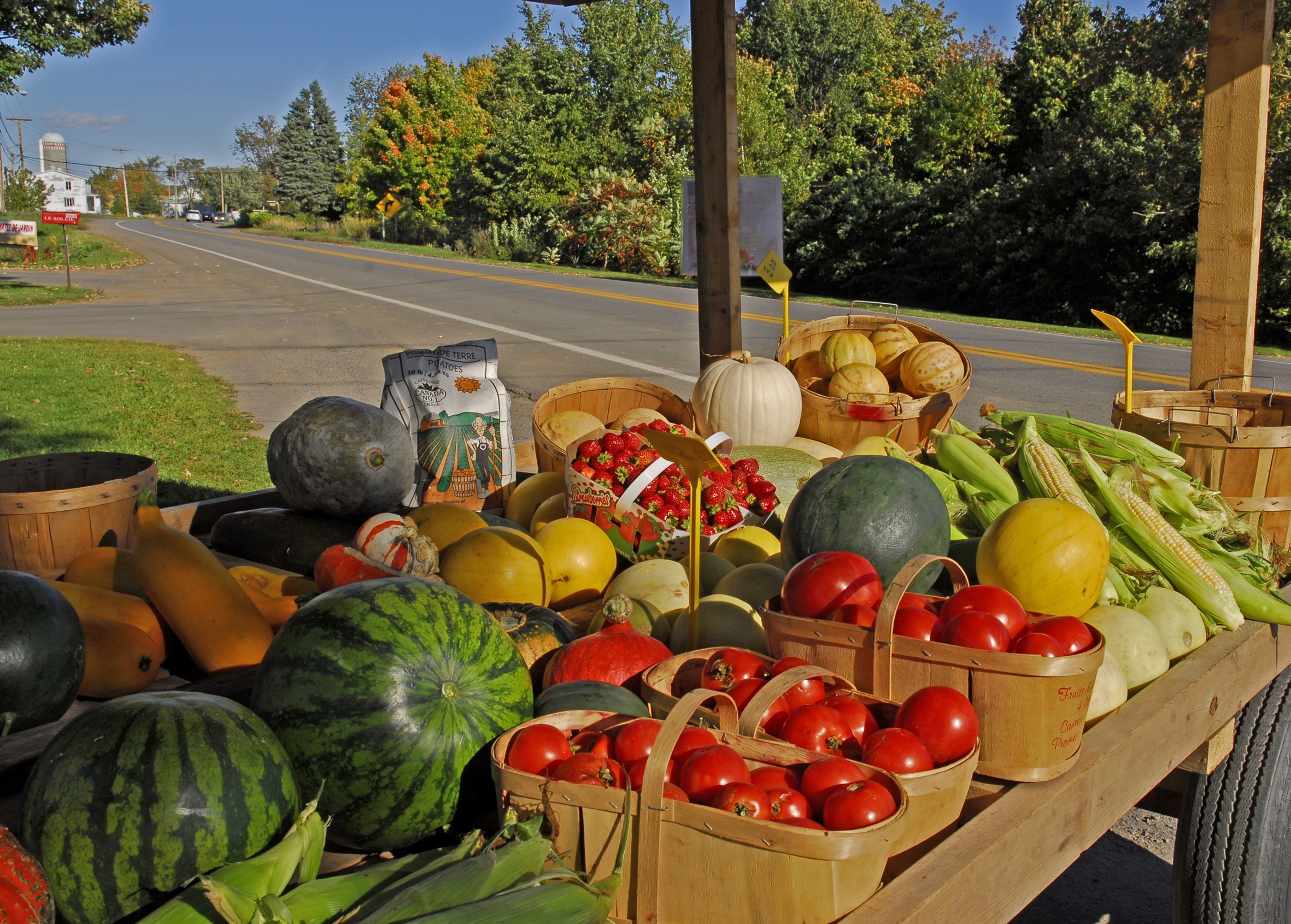
This idea of food as preventive medicine can help people live healthier and longer while maintaining strength, energy, mental clarity and other healthy attributes. Foods under the Functional Nutrition label are as follows: Organic whole-food protein, including fish, grass-fed beef, poultry, grass-fed and finished beef, fruits, vegetables, nuts and seeds, whole grains like brown rice and barley, and healthy fats like avocado, olive and coconut oil. Pasteurized and fortified minimally processed foods, such as Greek yogurt and cheese, can also be part of a balanced diet and fall under the umbrella of functional nutrition.
Lifestyle fads come and go, and the world is in a never-ending pursuit of the holy grail of longevity. People are working harder than ever to improve their health and quality of life to live longer. We look to the blue area for evidence of what works. In the news cycle, we are now flooded with articles about stress, sleep, social interaction, fitness, and nutrition in our quest to live longer, healthier lives. All of the above are reasons we often turn to vacation, but there are real challenges when it comes to nutrition and travel, especially in North America where food guidelines are very different from abroad. There is a push to change that, which is positive, but it will take time.
Meanwhile, fast food and highly processed foods tend to dominate many hotels and resorts. It may not seem so at first because your food doesn't come in a plastic package with an ingredient list. The meals in front of us often give the illusion of being homemade; however, most of what we found were plate meals made from packaged, pre-prepared ingredients. Think breakfast buffet in the morning with generously prepared eggs, pancakes, pastries, breads and more. All of these may be made with a host of ingredients that often don't seem nutritious, and many of them are known to cause inflammation, blood sugar spikes, and other negative body reactions. Often, many of these establishments serve mostly low-nutrition, low-quality food.
Because of this, you often find that most people tend to go off the rails when it comes to their diet when they go on vacation or travel. They often leave the practice of healthy eating aside. They either buy the all-inclusive package and hope to get their money's worth, or they just get obsessed with trying to figure out what the healthiest options on offer are and become overwhelmed because they don't know the ingredients behind the food they're eating.
Now don't get me wrong, it's perfectly acceptable to want to indulge during the holidays, food brings joy, especially when shared with others, and most people don't expect to eat 100% healthy. But due to the lack of quality natural foods, people tend to adopt more of an all-or-nothing mentality when going on vacation, but it doesn’t need to be that way.
So what if we challenged current norms when it comes to food and travel? It starts with you, the traveler. You need to express your wishes and needs, and when this starts to happen more often, more hospitality establishments will start to do a better job. More fresh fruits and vegetables, freshly baked bread made with simple ingredients and proteins, and cooked in high-quality, nutrient-rich oils like avocado, olive and coconut. How about an on-site smoothie bar, or a food concession where people can choose from build-your-own bowls or salads that include whole foods? We're talking about simply prepared proteins; grains cooked without oil, and fresh fruit and vegetable options that can be customized to a traveler's taste preferences. Most proteins and grains in many hotels and resorts are cooked or prepared in cheap oils, but they don’t need to be.
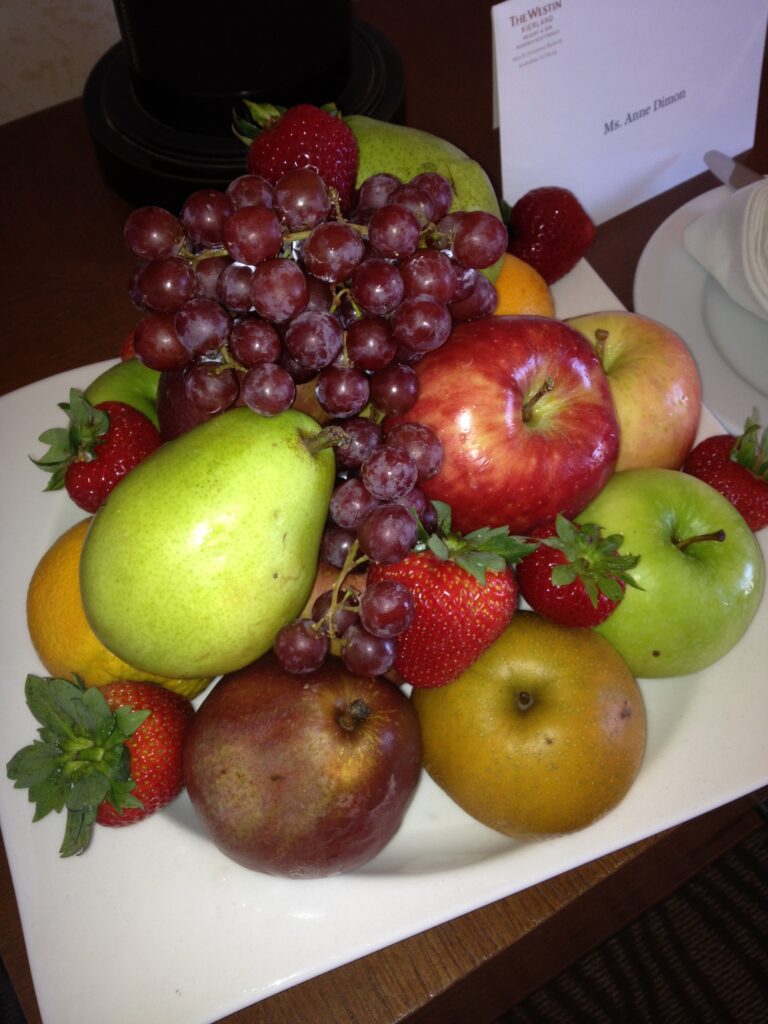
At an on-site restaurant, how about if they added an option on every menu so guests don't have to guess what's in their meal? Many people think they are making a safe choice when they choose a yogurt parfait with fruit and granola, however, granola often contains sugar, seed oils, and other fillers, and sometimes fruit is mixed with sugar. A simple change is to serve plain Greek yogurt with honey, walnuts, and fresh fruit. Do you think it’s safe to choose between almond milk or oat milk? Think again. Many of us may think we are making a healthy choice when choosing plant-based milks, not realizing that many of these milks contain filler ingredients to keep the price down.
When you're at home, it's easier to control your nutrient intake and prepare food by reading the ingredients in the items you buy.
This is a call to action for greater transparency and better choices at hotels and resorts. Yes, natural foods are more expensive, but hotels and resorts buy in large volumes and if they utilize local food vendors and suppliers, they can reduce costs across the board. There's also a lot of food waste, so by curating their food and drink plans, they can also curb their impact on the environment.
Hopefully, 2026 will be the year of improved nutrition.
Michelle Vale is certified in Functional Nutrition and is a travel and lifestyle writer with a focus on sustainability. If you work in a hotel or resort and are interested in learning more about how to change your existing dining plan, please contact Michelle at: michelle@michellevale.com