
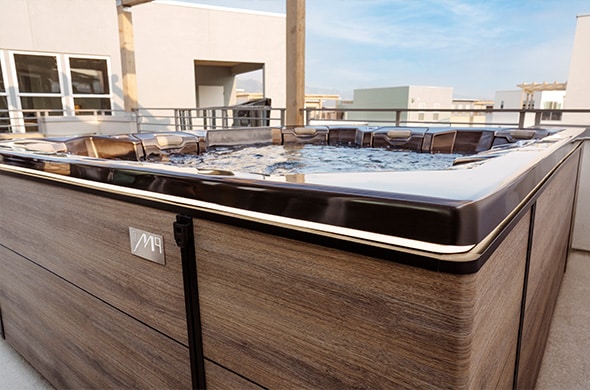
Maintaining a clean and safe hot tub environment is crucial to fully enjoying its benefits. An important aspect of hot tub maintenance is choosing the right disinfectant to keep the water free of harmful bacteria and contaminants. The most commonly used disinfectants are bromine and chlorine. Bromine and chlorinewhich one is better? In this blog post, we’ll explore the differences between bromine and chlorine to help you make an informed decision about which one is best for your hot tub.
Additionally, we'll cover advances in hot tub water care technology that make your spa care easier while also reducing the need for chlorine or bromine
bromine

Bromine is a chemical element commonly used as a disinfectant in hot tubs and spas. Unlike chlorine, which comes in gas or liquid form, bromine is usually available in tablet or granular form. Bromine is known to be effective at killing bacteria, viruses, and algae in hot tub water, even at higher temperatures.
Advantages of Bromine
Stablize
Bromine's stability in hot tub water is primarily due to its unique chemical properties and interactions in the aquatic environment. Unlike chlorine, which is more sensitive to pH fluctuations, bromine maintains its effectiveness over a wider pH range, typically between 7.2 and 8.4. Additionally, bromine forms a more stable residue in water, allowing it to persist as an active disinfectant for long periods of time. Bromine has a gradual release mechanism that ensures consistent hygiene levels over time, even at warm water temperatures common in hot tubs.
effectiveness
Bromine is effective at killing bacteria in hot tub water due to its powerful oxidizing properties and ability to disrupt basic cellular functions within microorganisms. When bromine is introduced into water, it reacts with organic matter and contaminants, including bacteria, viruses, and algae. Bromine penetrates the cell walls of bacteria, interfering with key metabolic processes and disrupting enzyme functions critical to their survival. This oxidative stress causes bacterial cells to be destroyed, effectively eliminating harmful pathogens from the hot tub environment. In addition, the residual effect of bromine ensures continuous disinfection, providing a protective barrier against bacterial regrowth and contamination.
less exciting
Although this is more of a personal preference, bromine is often favored over chlorine in hot tubs for its reduced skin irritation. However, everyone's skin reacts differently to chemicals. If you find that bromine is more irritating to your skin, try switching to chlorine to see if it works better.
Bromine Disadvantages
cost
Bromine tends to be more expensive than chlorine, making it a less economical option for some hot tub owners.
Dissolve slowly
Bromine dissolves slowly in water, which creates challenges for hot tub owners as it can make it difficult to maintain consistent disinfectant levels. This may require monitoring and adjustments to ensure adequate sanitation. For hot tub owners, this increased maintenance requirement can be inconvenient and time-consuming.
odor
As with skin irritation, some people believe that bromine is generally less smelly than chlorine. However, it can still produce a noticeable odor, especially when combined with organic contaminants in the water. Some people think bromine smells worse than chlorine. Both bromine and chlorine have their own smells. We encourage you to express your opinion on this matter.
chlorine
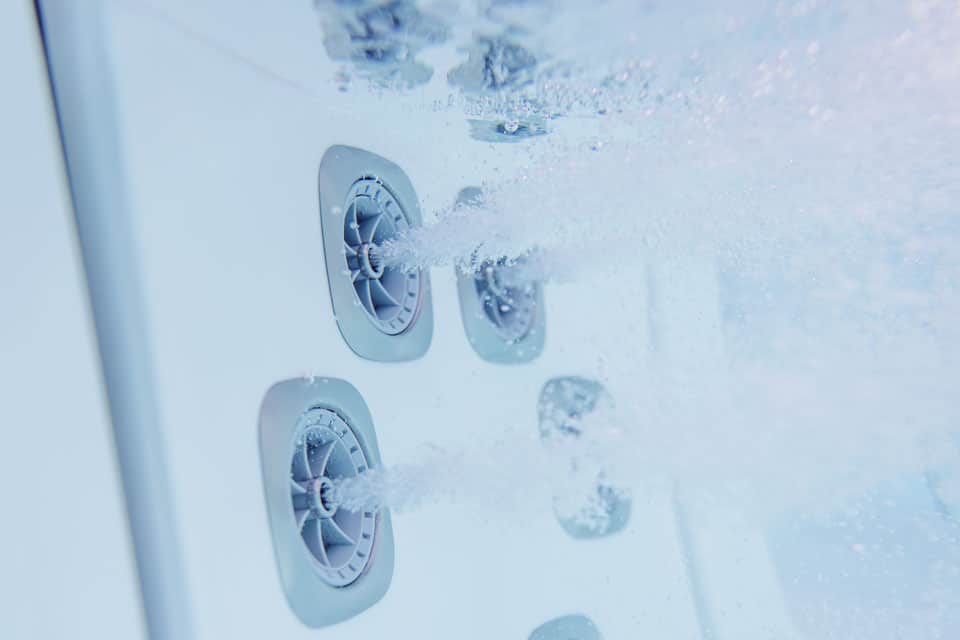
Chlorine is probably the most widely recognized disinfectant and is commonly used in swimming pools, hot tubs, and spas around the world. It comes in many forms, including chlorine tablets, granules, and liquid.
Advantages of chlorine
Affordability
Chlorine is generally cheaper than bromine for a number of reasons. The chemical processes involved in chlorine production are generally simpler and more cost-effective than bromine production. Chlorine dissolves in water more quickly, meaning it requires less frequent replenishment and maintenance than bromine, reducing ongoing operating costs for hot tub owners.
Quick effect
Chlorine usually dissolves quickly in water, allowing for quick cleaning of your hot tub.
Availability
Chlorine products are widely available at pool supply stores and supermarkets, making them an easy purchase for hot tub owners. It is widely used in a variety of applications, including swimming pools, hot tubs, drinking water treatment and industrial processes, helping to achieve economies of scale and also help reduce production costs.
Disadvantages of chlorine
pH sensitivity
The effectiveness of chlorine as a disinfectant can be significantly affected by fluctuations in the pH of the water. Chlorine tends to be most effective in a slightly acidic to neutral pH range (usually between 7.2 and 7.8). When the pH is off or too high, chlorine's ability to disinfect water is reduced, resulting in reduced efficacy and potential bacterial growth.
Skin and eye irritation
As mentioned before, some people believe that chlorine is more harmful to the skin than bromine. Exposure to chloramines, especially prolonged exposure to higher concentrations, can cause skin and eye irritation. If you find yourself in this situation, try switching to bromine and see if it works better for your body.
odor
Bromine and chlorine have very different smells. The distinctive smell of chlorine in hot tubs is primarily due to the formation of chloramines, which are byproducts of the reaction of chlorine with organic matter and contaminants in the water. Proper water maintenance, including regular testing and adjusting chlorine levels, adequate filtration, and the use of supplemental oxidizer, can help mitigate and reduce chlorine odor in your hot tub. If you don't like the smell of chlorine, you can always try bromine and see if you like the smell better.
There is no one-size-fits-all answer when it comes to choosing bromine or chlorine for your hot tub. Both disinfectants have their own advantages and disadvantages. If you prioritize stability and effectiveness, bromine may be the first choice. On the other hand, if affordability and quick sanitation are your main concerns, chlorine may be your choice. Depending on your source, you may find conflicting ideas about how these chemicals smell and affect your skin. However, both bromine and chlorine are good options, and the final choice is the one that's best for you.
Additional water care system
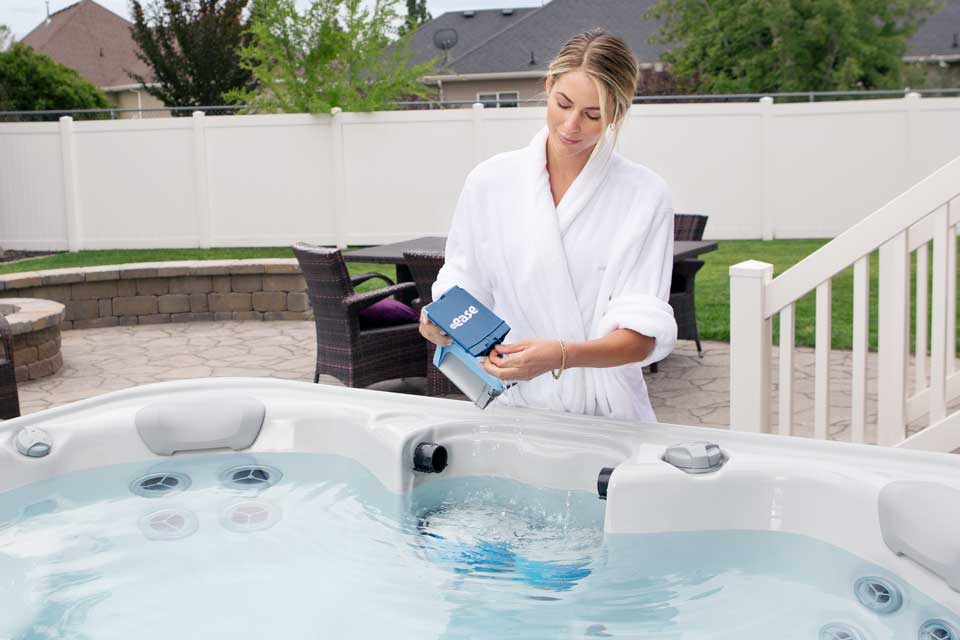
self-regulating system
Bullfrog Spa Recommended FROG®@ease® systemDesigned specifically for your Bullfrog Spa, it utilizes SmartChlor® technology to make a self-regulating water care experience easier than ever. Enjoy water that is clearer, cleaner, gentler and easier to maintain than traditional dichlorine or bromine systems. The SmartChlor system replaces used chlorine with active chlorine to maintain a constant level. Over time, using the right amount of chlorine can reduce chlorine usage by up to 75%. This method can also reduce your need to shock your spa water to about once a month.
You only need to replace the SmartChlor filter every 3-4 weeks and the mineral filter every 3-4 months. *
*Filter life may vary based on hot tub usage, bather load, dial settings and hot tub size. FROG @ease is only available in the United States.
Ozone system
Ozone generator system Utilizes ozone gas to break down contaminants like lotions, soaps, body oils, and other impurities. This helps keep your spa clean while reducing the need for disinfectants like chlorine or bromine.
Bullfrog Spas offers 2 different ozone systems. The WellSpring™ Ozone Purifier System uses corona discharge electrode technology to generate ozone, thereby increasing the purification and oxidation potential of your spa water.
The EOS™ O3 Enhanced Ozone System is a revolutionary water purification system that produces twice the amount of ozone as a standard system, more effectively injecting free ozone into hot spring water, better disinfecting hot spring water, and eliminating virtually all residual O3 gas. EOS has been third-party verified to kill 99.9% of microorganisms in your spa.
AOP system
Advanced Oxidation Process (AOP) Atomic oxygen is injected into the pipe and reacts with water to form hydroxyl radicals. They quickly attack and destroy contaminants through an oxidation process. The system has proven health benefits, increasing chlorine levels in drinking water while eliminating red eyes, skin irritation and chemical odors.
When it comes to sanitizing a hot tub, the most important factor is finding the method that works best for you. Whether you choose traditional disinfectants like bromine and chlorine, or innovative systems like the EOS Enhanced O3™ System or FROG @ease, it's important to consider your personal preferences, lifestyle and needs. Each disinfection method has its own benefits and caveats, and what works for one person may not work for another. By carefully evaluating your options and choosing a sanitizing method that meets your priorities and requirements, you can enjoy a clean, safe, and enjoyable hot tub experience tailored to your preferences. Overall, no matter which sanitizer you choose, regular testing and maintenance are key to ensuring a safe, enjoyable hot tub experience.
Become a hot tub expert
Subscribe to learn more about buying or maintaining a hot tub and we'll send you everything you need to know.