
At first glance, Bermuda seems almost unbelievably self-sufficient. Turquoise waters, white roofs, ancient fortresses, ships sailing slowly across the horizon. It's quality like this place has always looked the same, arrived fully formed and has been maintained ever since.
This impression is wrong, and interestingly enough.
Bermuda is one of those rare places where the vast machines of the Atlantic world—exploration, empire, immigration, labor, reinvention—are concentrated in a single outpost. Every layer of that history is still visible if you know where to look. Most of it sits on the surface, waiting for someone to ask the right questions.
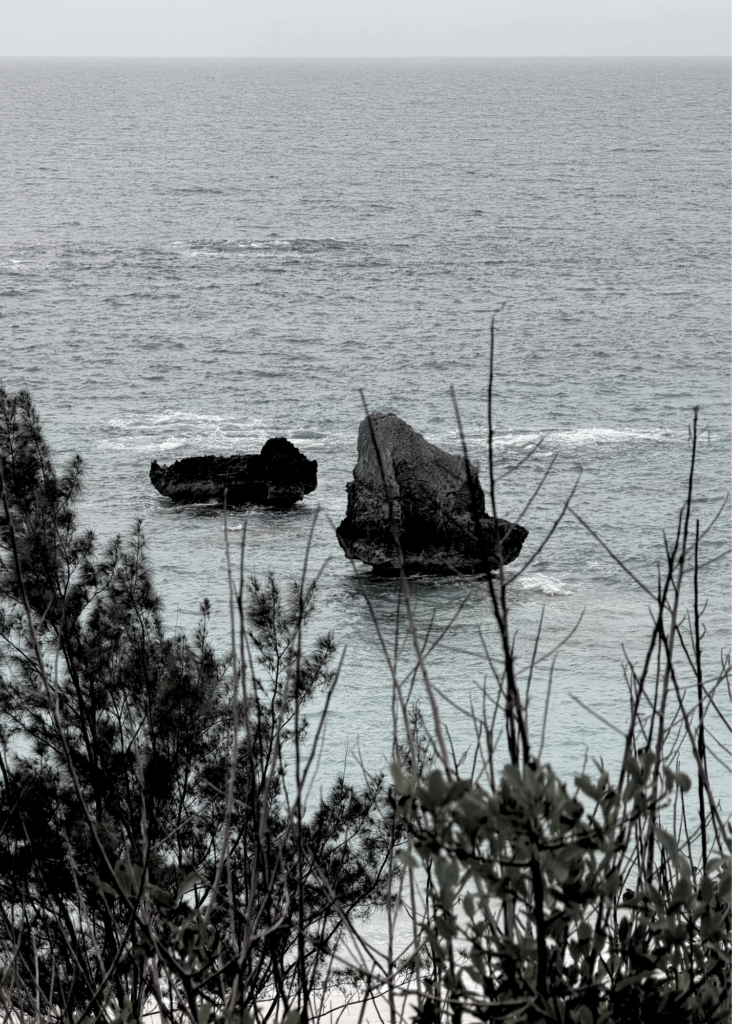
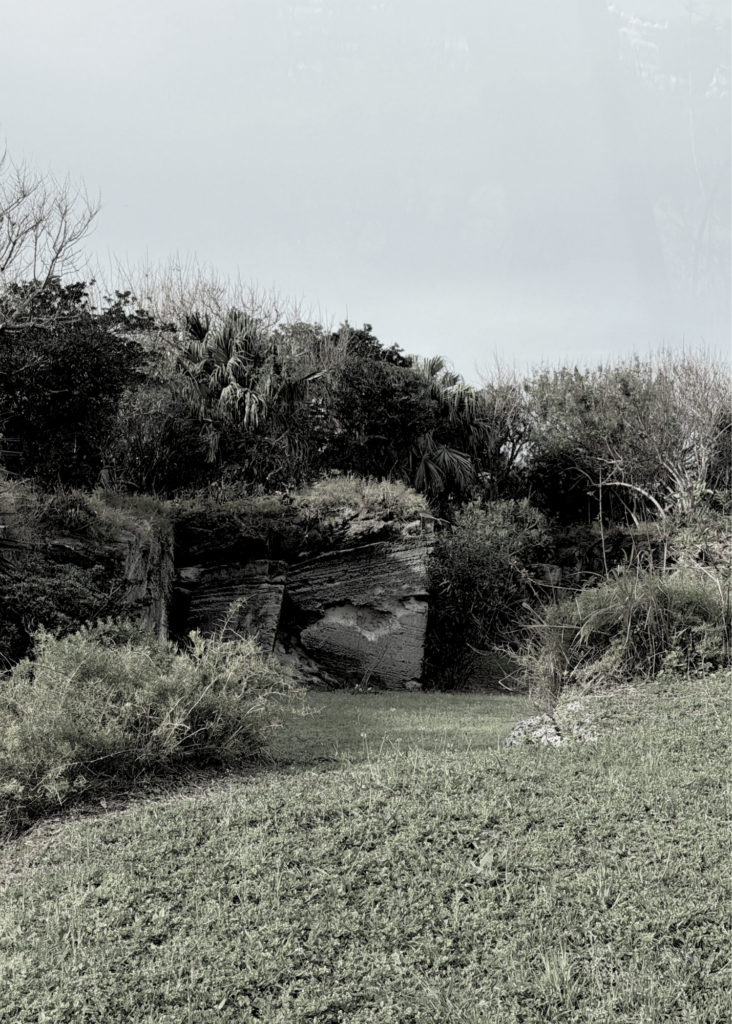
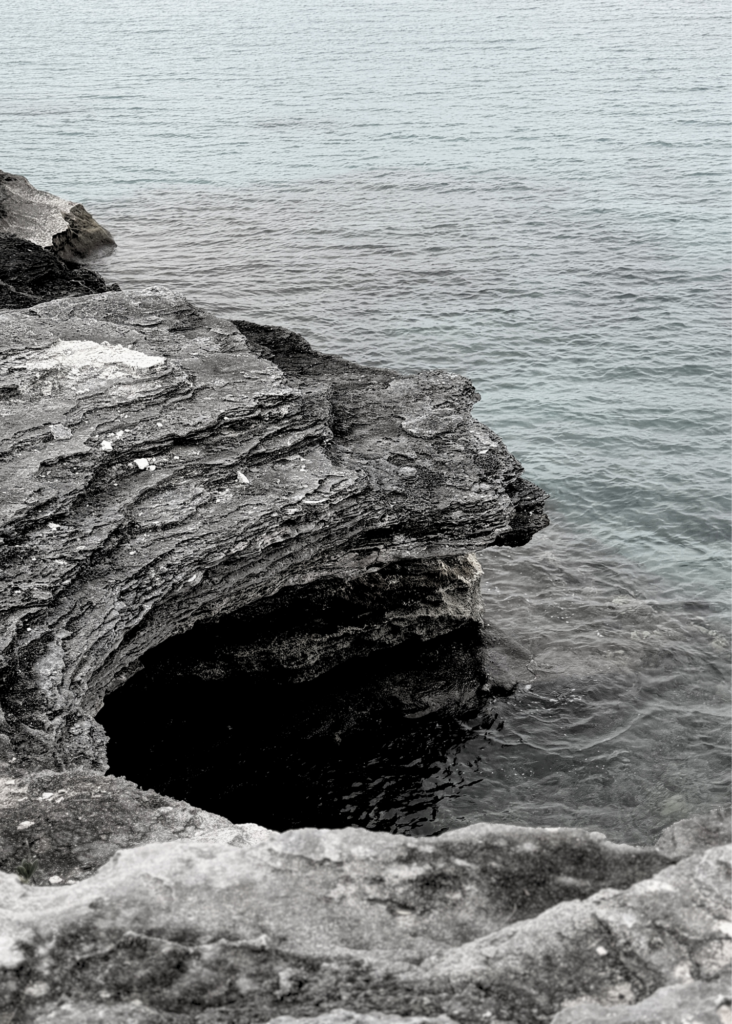
An island before settlement
Bermuda was known to Portuguese and Spanish navigators long before the English established a permanent settlement in 1612. It exists as a waypoint in the ocean defined by uncertainty—drawn on the map, but not yet claimed. Not the destination. a mark.
Then there was a shipwreck. The story of the island's founding was not intentional but accidental: a British ship was wrecked on the reef, and almost overnight, Bermuda went from a maritime reference to a colonial territory. If you think about it, that's a very Atlantic way to start.
Strategy, stones and survival
From the beginning, Bermuda's value was strategic. It became a fortified Atlantic fortress—military, naval, imperial—and the fortresses that still surround the island are not decorative. They are evidence of anxieties: about invasion, about control, about holding your ground in a contested sea.
The land itself determines how this control is formed. Bermuda limestone is soft when first cut and hardens over time, making it ideal for construction where speed and durability are required. The stepped white roof is designed to collect rainwater, but is not aesthetically pleasing. They are survival systems. The architecture here is not a style but a visible adaptation, writing the terms of the environment into every wall and roofline.

laborers who built the island
Behind this structure, there is a lot of self-evident labor.
Enslaved Africans, free black Bermudians, and later Portuguese immigrants from Madeira and the Azores all contributed to building the island's physical and economic life—quarrying stone, building homes, and cultivating the land, which was never easy.
This history is fundamental and deserves to be named explicitly. The beauty of Bermuda is inseparable from the enslaved and indentured people who made it all possible. The limestone walls are gorgeous. They are also a record.

An island of restraint
In 1931, Bermuda built almost the entire island's railways. For a while, it worked very well—along the coast, connecting communities and providing one of the most scenic commutes in the Atlantic world.
Seventeen years later, it disappeared. Quietly and deliberately demolished in 1948.
Its disappearance is more than just a failure of infrastructure. It marked a philosophical shift. Instead of pursuing expansion and scale, Bermuda is heading in the opposite direction. Car ownership was restricted, a policy that is still in effect today. The number of vehicles is deliberately limited, petrol is particularly expensive, and traffic on the island is managed rather than relying on convenience or quantity.
The consequences of this choice are subtle but real. Bermuda will not develop indiscriminately. It curates. In a world where most places end up just… letting things spread, that's an unusual thing indeed.
reinvent identity
Bermuda is unique not just in its history but in the discipline with which it shapes its own story.
In the 19th century it became a refuge for writers, artists and those seeking an escape from the hustle and bustle of modern life. During the age of steamships, it evolved into an elegant Atlantic playground, full of elegance and transatlantic ease. Through aviation, it opens itself up to the wider world without completely losing its sense of scale.
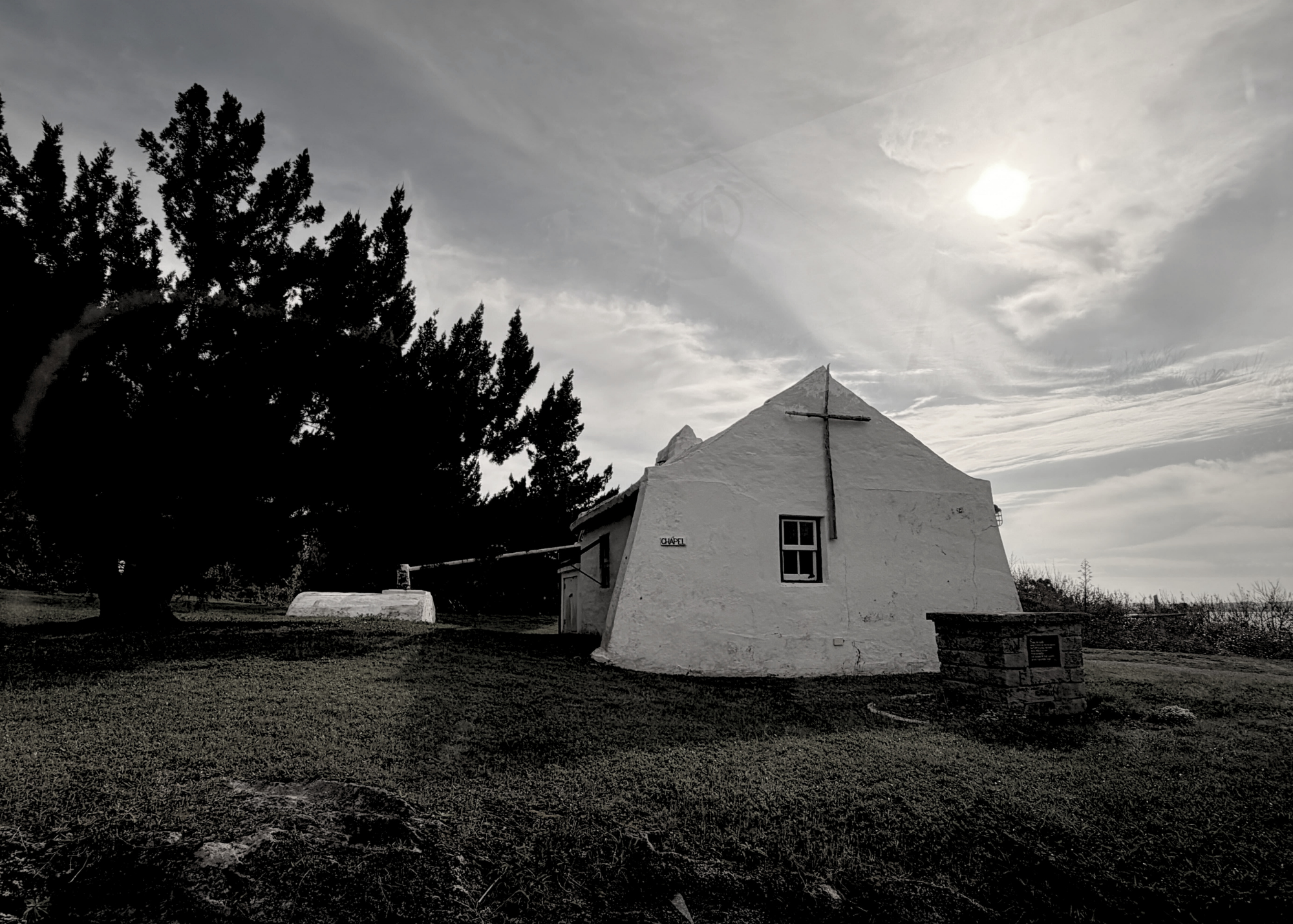
Today, Bermuda remains beautiful, but it is also increasingly self-aware. Fortresses, immigrant stories, architecture, the African diaspora: these are no longer backgrounds. They are part of the story the island itself tells to anyone who pays attention.
Standing on the walls and looking out over the water, it's easy to believe that this island is timeless. This is not the case. Bermuda feels like it was built deliberately and unevenly over centuries by many different people. That's exactly why it's worth understanding.