
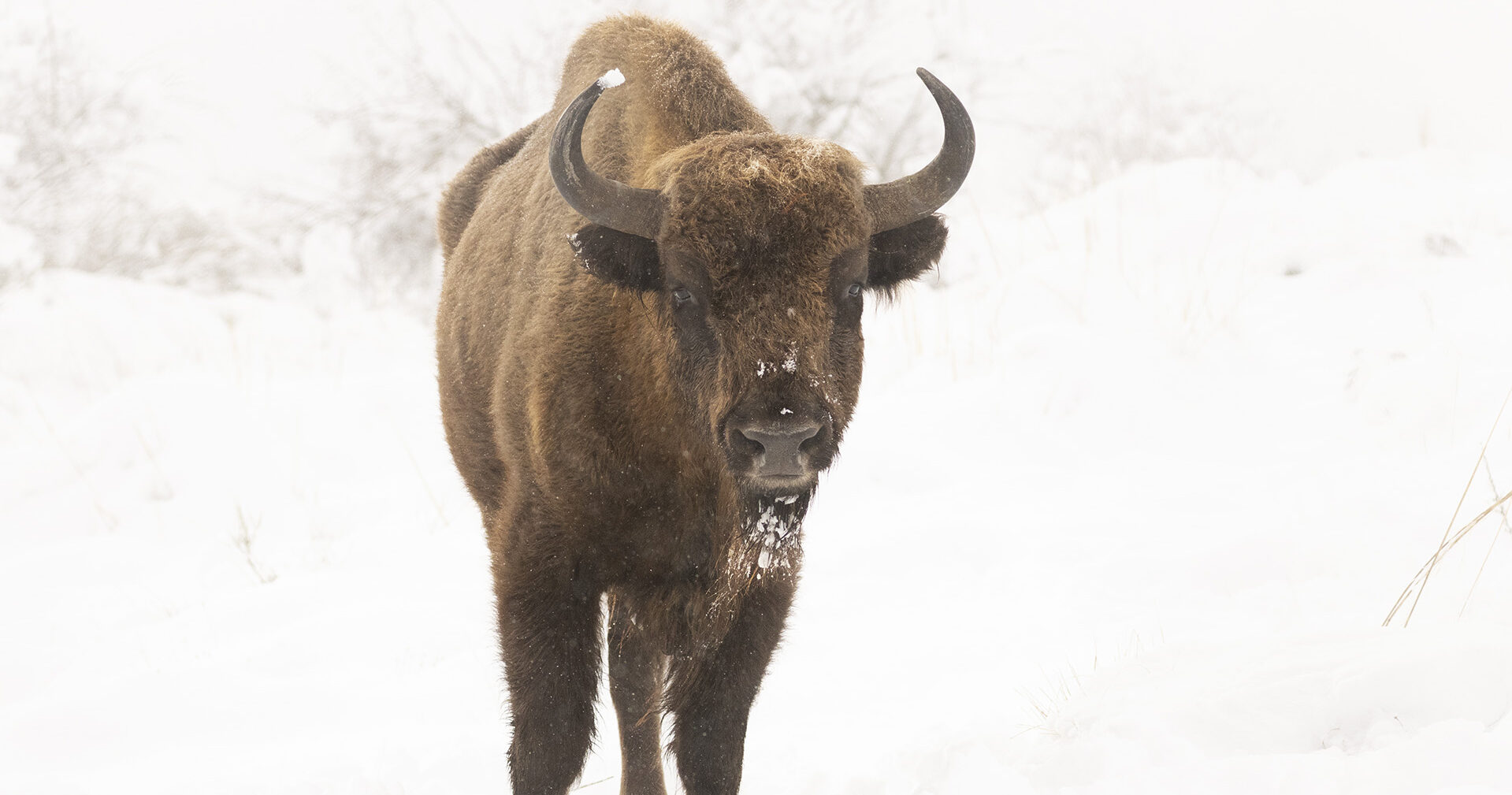
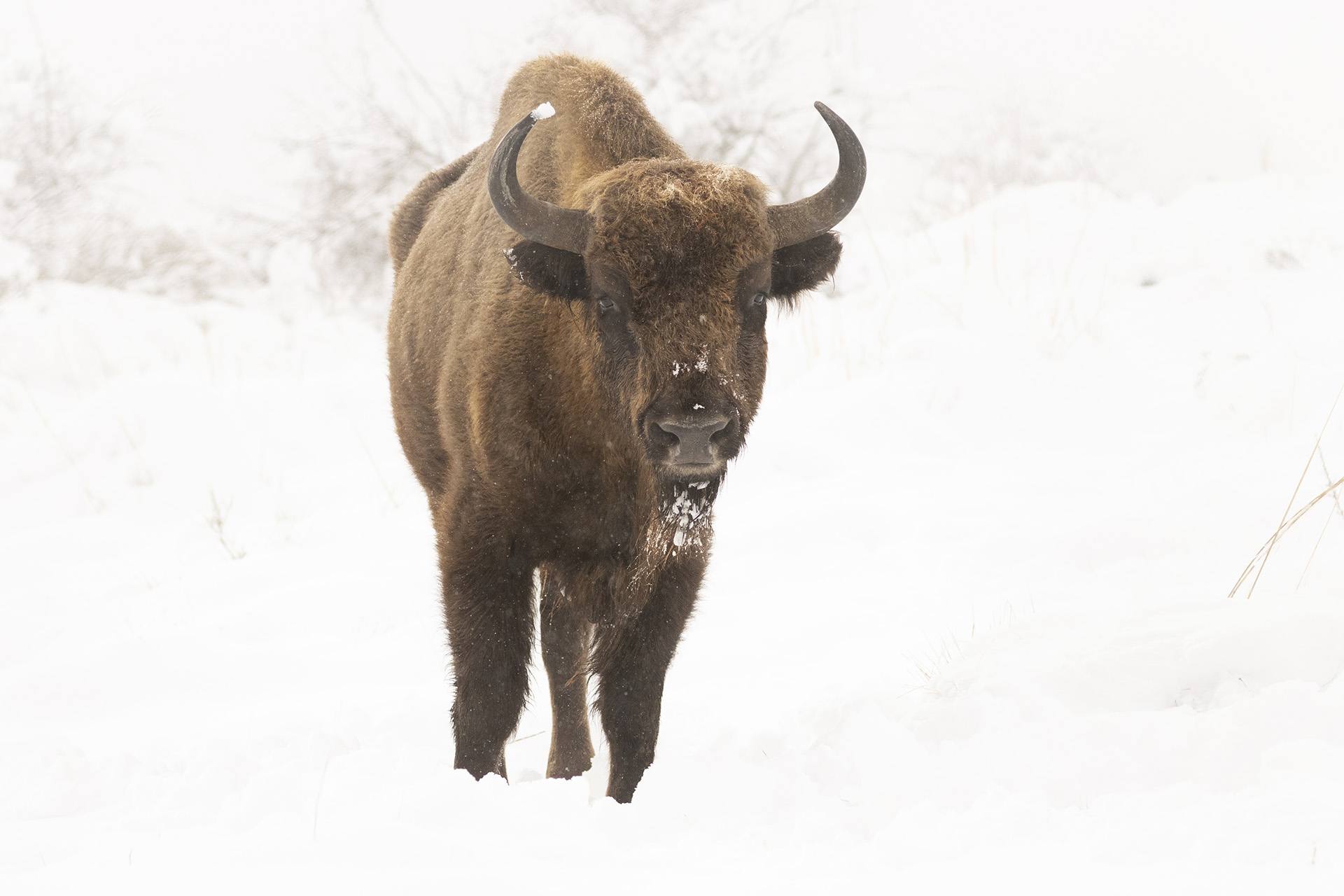
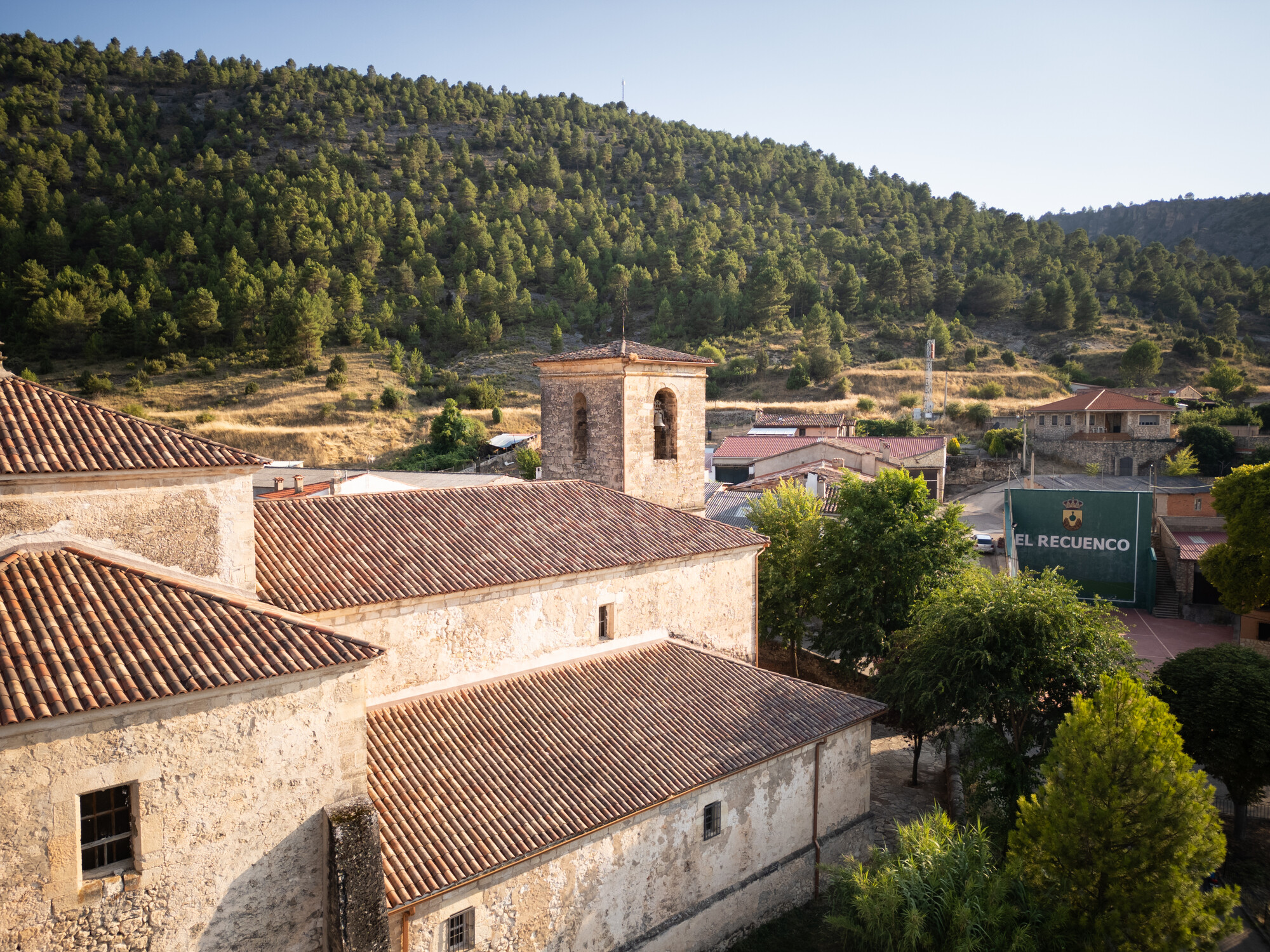
Spain's rewilding process has taken a historic step as nine European bison have been released for the first time in the Iberian highlands. As part of an international study, they will help reveal important insights into how bison can restore ecosystems across Europe, while also bringing new hope and opportunities to the local community in El Recuenco.
Ruben Domingo
The arrival of a breakthrough
Historic milestone for Spanish wildlife recovery iberian highlandsNine European bison have arrived in the village of El Recuenco in Guadalajara province. They come from a private estate northwest of Madrid and their presence will support the Rewilding Spain Discover how bison – Europe's last wild cattle and largest land mammal – are helping to restore and revitalize ecosystems in the Mediterranean and beyond.
Understanding how European bison adapted to the landscape of the Iberian Peninsula and other European environments is key to unlocking Benefits this species can bring to nature, climate and people. It will also guide and strengthen efforts to accelerate European bison make a comeback Across the continent. In the past decade, the number of European bison has increased from more than 2,500 to about 9,000. Considering that in 1927 there were fewer than 60 individuals alive in zoos and private parks, this represents a remarkable recovery.
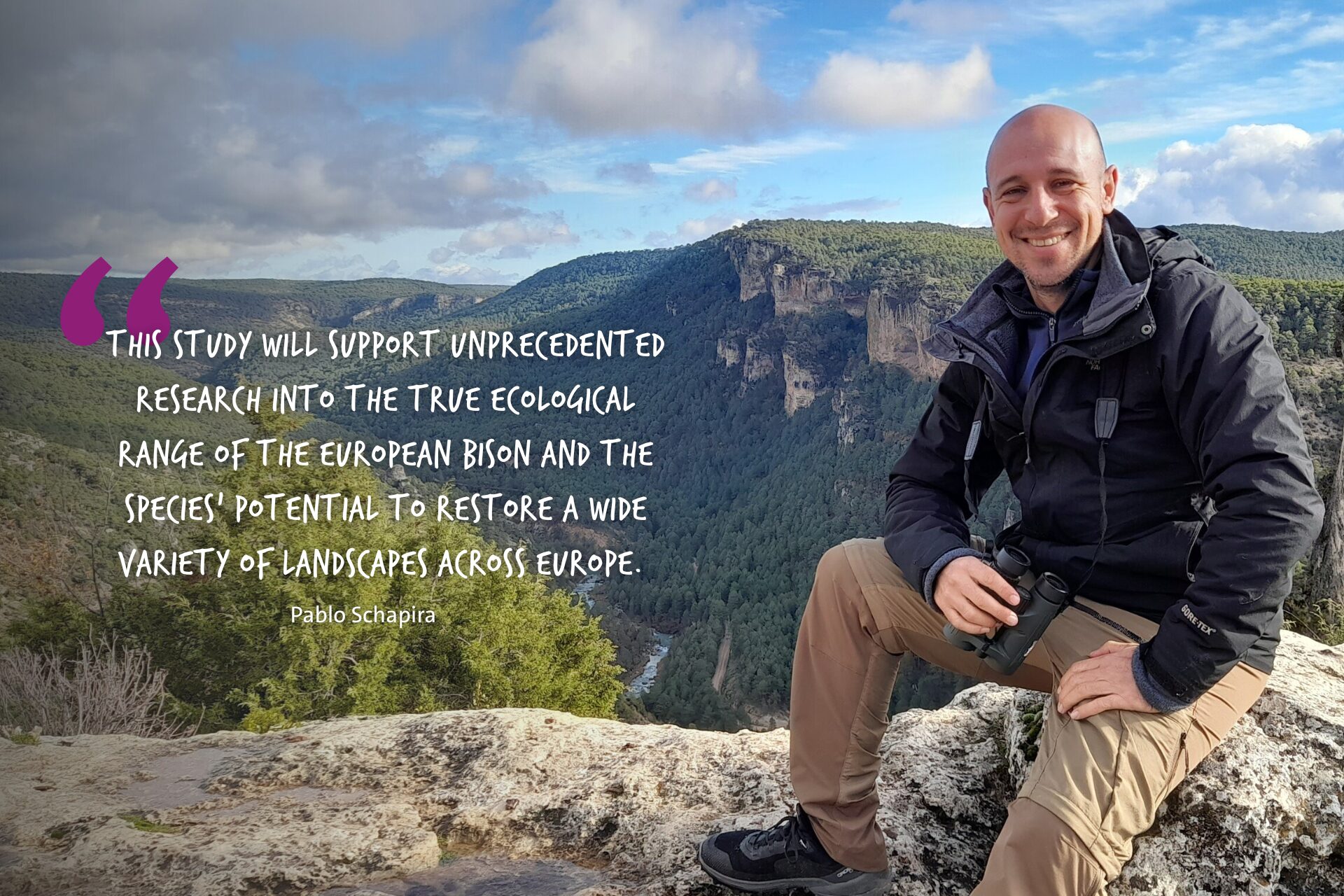
“This study will support unprecedented research into the European bison's true ecological range and the species' potential to restore various European landscapes,” said Pablo Schapira, leader of the Spanish bison reconstruction team. “It will also demonstrate how rewilding can deliver new pathways for development in rural areas, based on meaningful participation and strong public support.”
Breathing new life into communities through rewilding
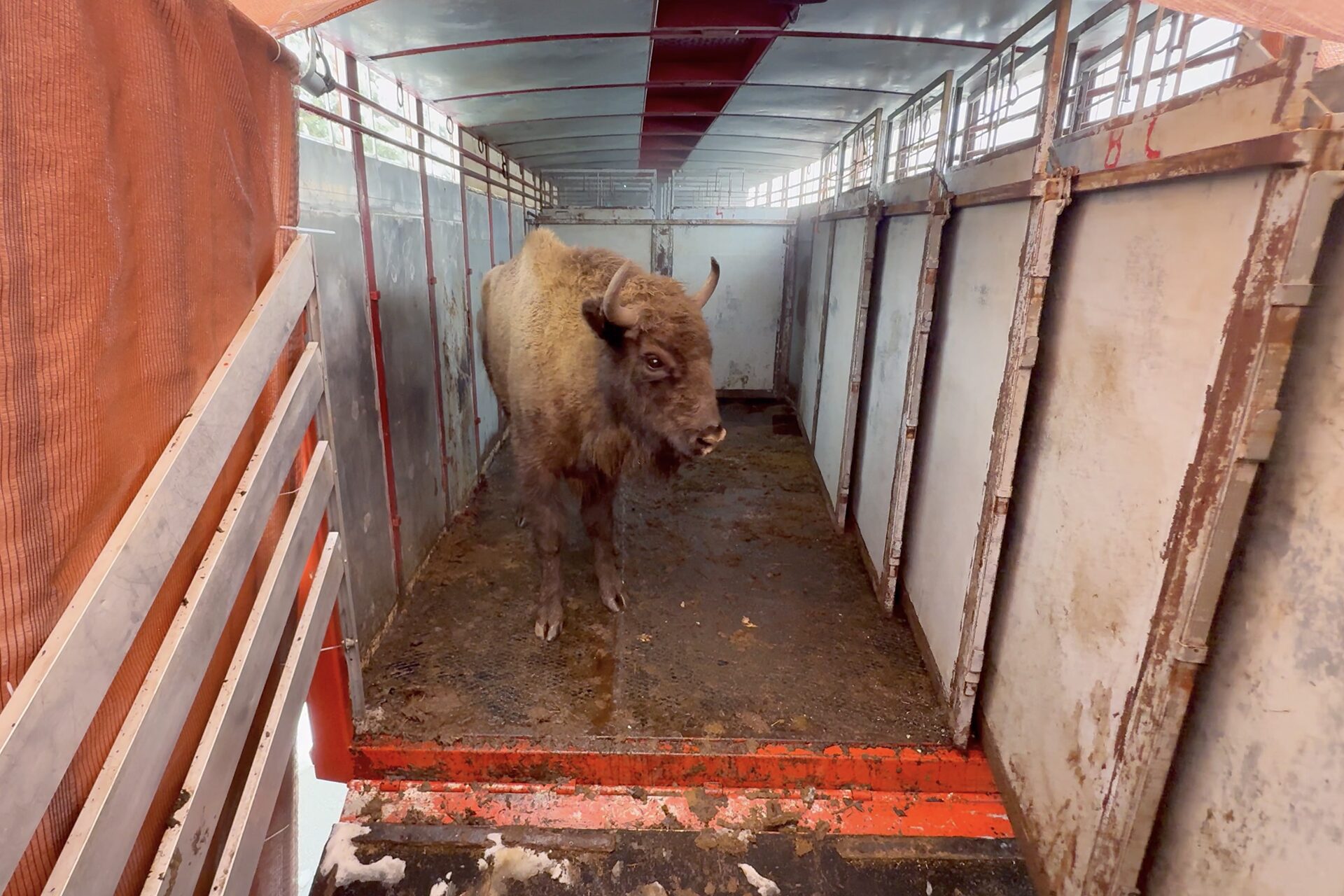
The nine bison will spend several weeks in acclimatization pens, where their health and behavior will be closely monitored. They will then be released into a 400-hectare fenced-in community woodland. As the animals begin to roam the area, they are expected to bring a variety of benefits to El Recuenco's community of more than 80 people. The local council is a key partner in the initiative and requested to host the herd given the expected positive impact on the village. Like many rural settlements across Spain, the village has faced severe socioeconomic decline in recent decades.
“We anticipate bison will help reduce the risk of catastrophic wildfire outbreaks by grazing and browsing forest lands,” said El Recuenco Mayor Enrique Collada. “We also hope this unique and iconic species will attract more visitors to our village, creating new opportunities, jobs and income for the people who live here.”
Ruben Domingo
Ruben Domingo
Strong landscape engineer
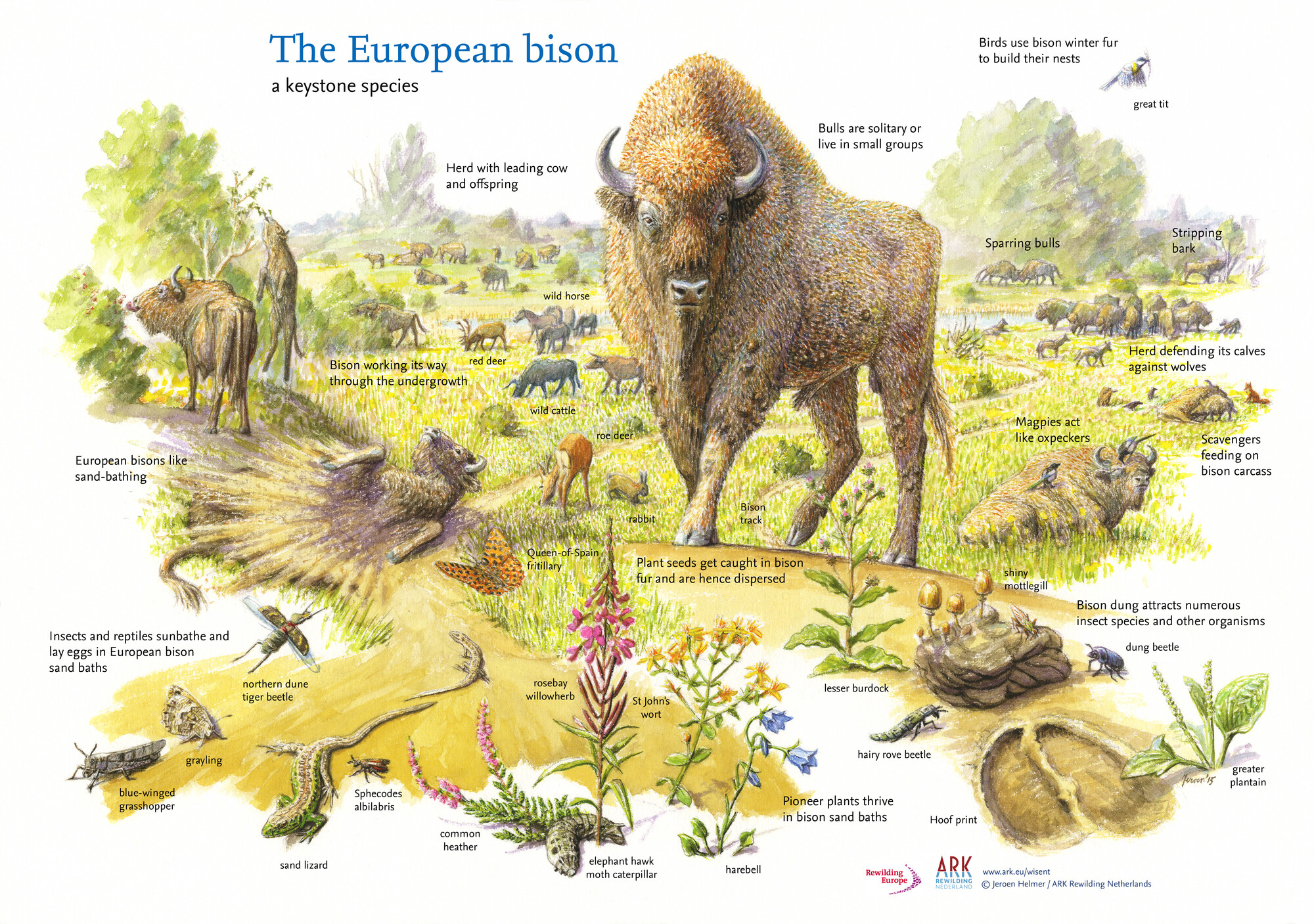
European bison is key species Has huge potential to shape and restore the landscape. A deeper understanding of its ability to thrive in an ecosystem, e.g. south iberian system (Iberian system) and its impact on vegetation will support more informed decisions about the role this species plays in rewilding across Europe. This knowledge is also critical to developing the best ways to manage forests to ensure forest health and safety. Resistance to wildfires and the growing pressures of climate change.
The story of the bison of the Iberian Peninsula is more complicated than one might think. Research from Cantabria in northwestern Spain supports the hypothesis that European aurochs were present in the region in the past, although further research is needed to clarify the historical record of European aurochs. bison genus in this part of Europe. Regardless of how this debate continues, the release of bison in Spain and Portugal is entirely justified. These animals could serve an ecological role similar to that of large herbivores, such as wild horses, that have been removed from the landscape by human activity.
Jalen Helmer
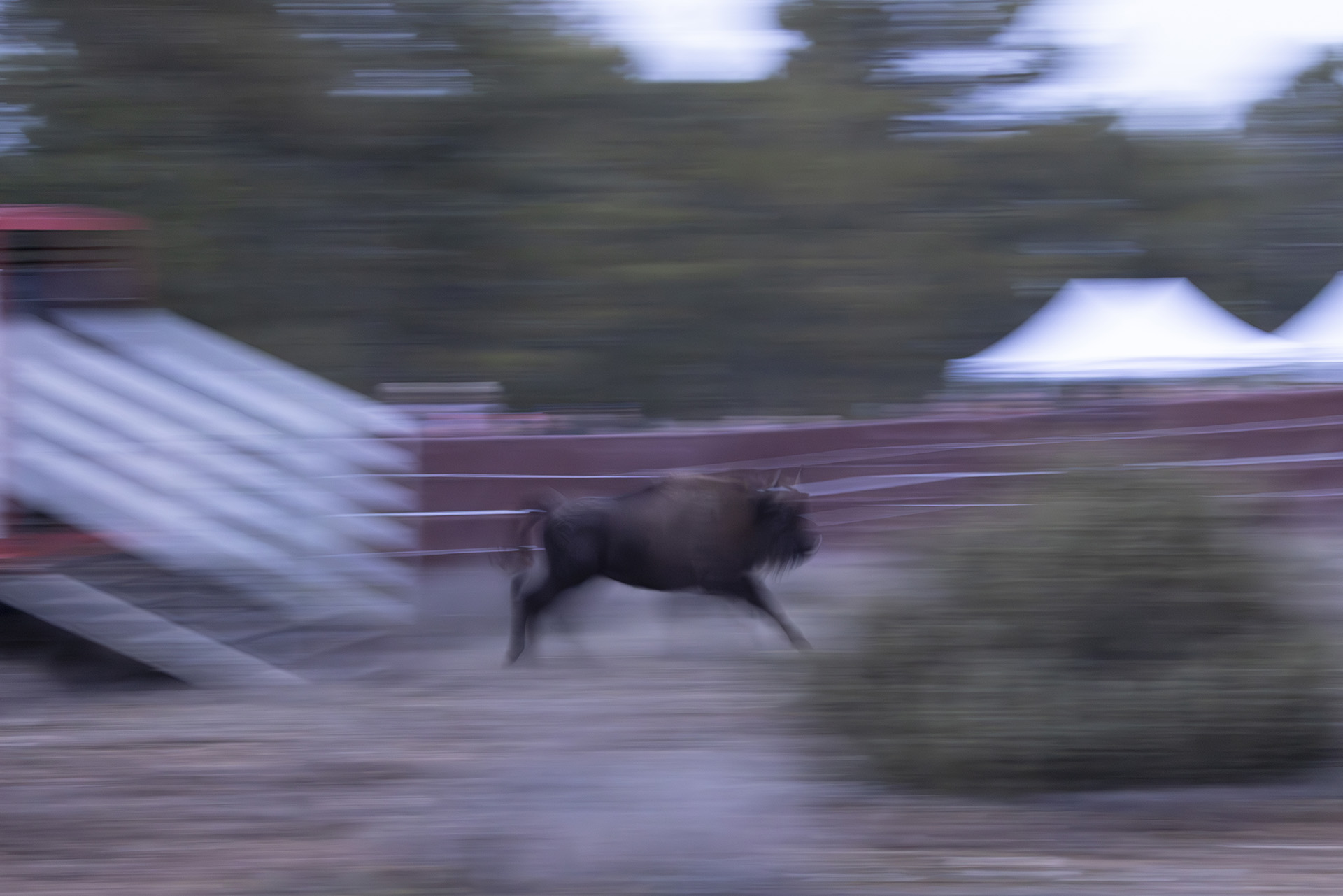
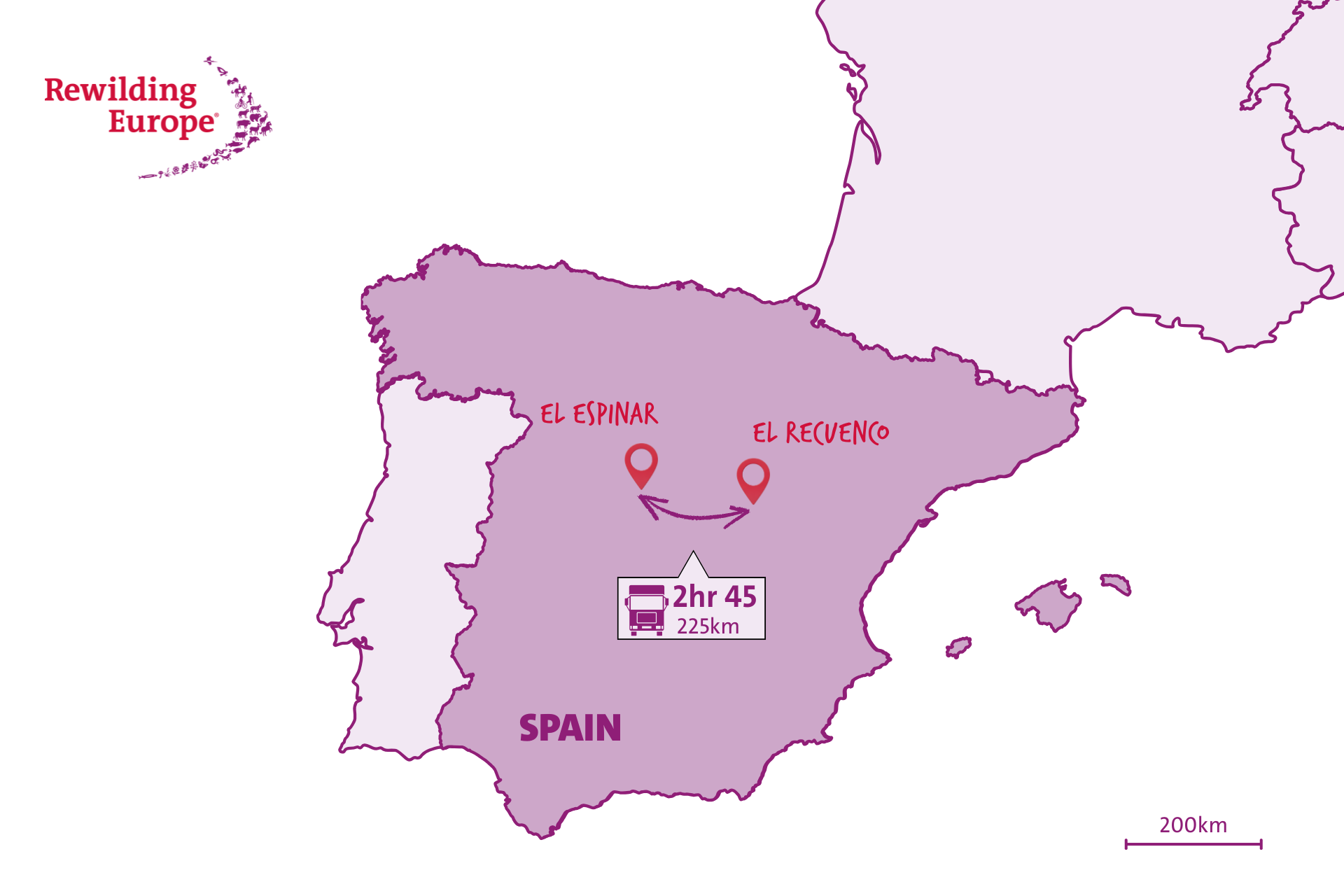
The herd of bison released in El Recuenco consists of five females and four males of various ages, coming from a private estate in El Espinal, about 65 kilometers from Madrid. The adults have been living on the property since arriving from Poland and the Netherlands three years ago, while the young individuals are born there. As a result, the herds were already socially cohesive and well adapted to the environmental conditions of the Spanish interior. After the bison are released from the enclosure, members of the Spanish bison rewilding team will use GPS collars worn on the bison to track their movements and behavior in the wild.
Gain deeper insights through science
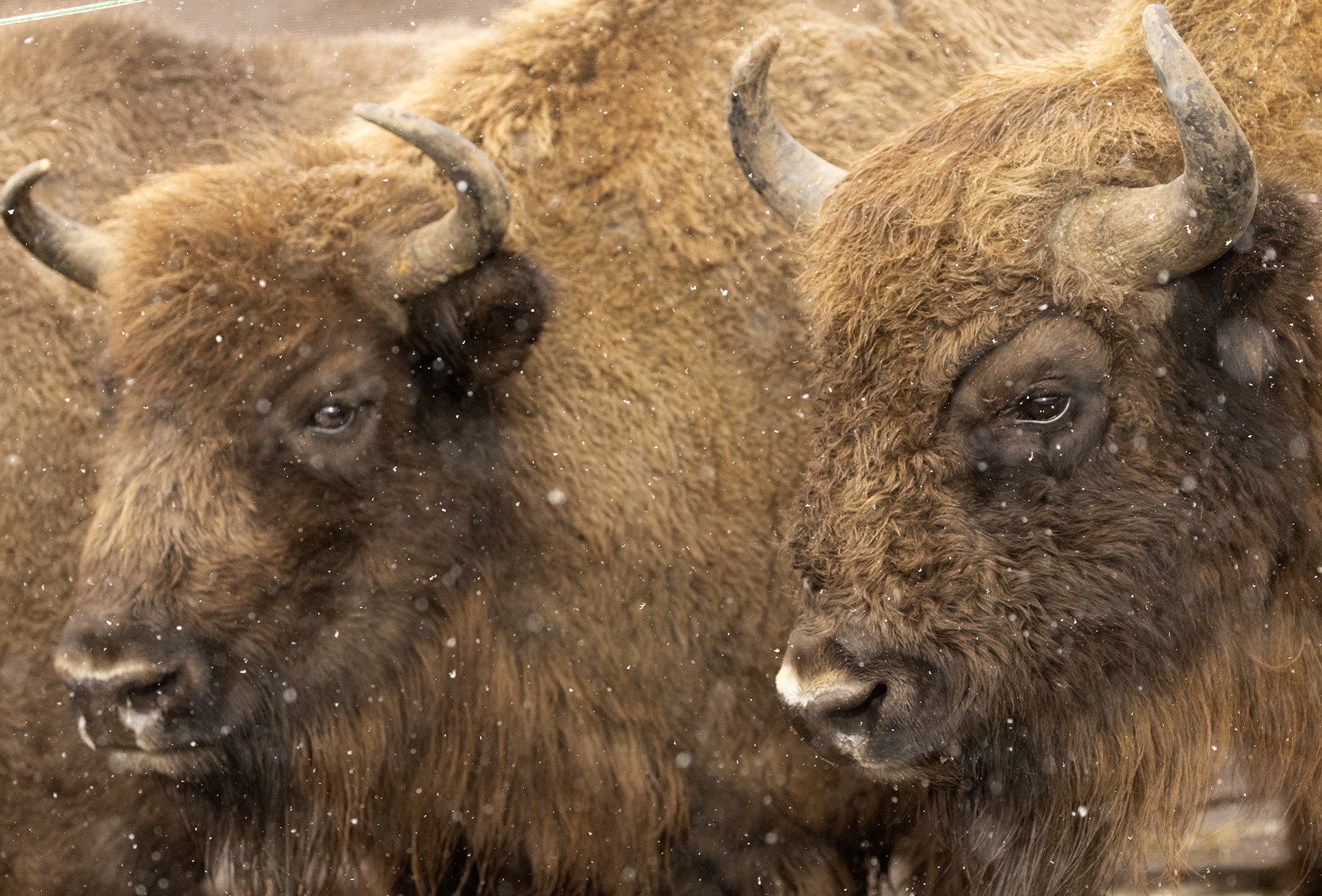
The bison study initiated by the Spanish Bison Reconstruction Organization also brings together University of the Basque Countrythis University of Manchesterand ikonovoIt is a research center affiliated with Aarhus University in Denmark. Through extensive scientific analysis, it will assess stress levels in El Recuenco's cattle herd throughout the year. It will also examine the composition of the animal's diet, which will be completely natural.
In collaboration with international organizations, including other members of the European Bison Network, the research will be replicated in other bison populations across Europe – from Spain to Azerbaijan and Scandinavia, to the Netherlands, Poland and Romania. This will give the research team and the wider bison community a deeper understanding of the ways in which European bison adapt to different geographical landscapes and environmental conditions. A parallel study will also examine the impact of bison on woody vegetation.
Ruben Domingo
Grassroots action plays an important role
The bison study was launched thanks to the commitment and proactive mindset of the El Recuenco council and residents, who recognized the importance of key species such as the European bison in rewilding. They also witnessed the growing benefits of the release of large herbivores – including Taurus and Przewalski's horse — At other rewilding sites in the Iberian Highlands, Spanish rewilding teams are there Currently managing over 20,000 hectares of natural pasture.
El Recuenco Council, which provides woodland for the bison to graze, has also launched an extensive dialogue process with residents – organizing talks, meetings and field trips to build broad social consensus around the initiative. The woodland will still be used for other activities such as timber extraction, hunting and mushroom picking, as well as leisure activities and wildlife observation for local villagers and nature lovers.
Rewilding efforts in the Iberian Highlands are supported by Endangered Landscapes and Seascapes Scheme and Cartier advocates nature.
James Shooter/Rewilding Europe
Want to know more?