

After the worst happens, what happens next?
Seeing the world from the water has never been a more popular travel option.
Nearly 38 million people are expected to take cruises this year. From small river boats to giant ships with every imaginable feature, choosing a cruise ship offers passengers convenience, ease and comfort.
Given that many of these ships are essentially small floating cities catering to an older population, it's no surprise that deaths on board can and do occur. So, what happens if you or a loved one dies during a cruise vacation? Here’s what you need to know before your next adventure on the water.
Support services
The staff and crew on board are well trained to take care of passengers at every moment of the journey. They provide top-notch, seamless service from cleaning your cabin to providing meals and arranging excursions. But there are other teams on board that you may not have noticed. They oversee safety, emergencies and medical care and are fully prepared to step in if the worst happens.
“While it is rare to lose a friend or loved one while traveling, if such a tragic event should occur during a cruise vacation, cruise lines have reporting protocols in place, as well as protocols for honoring the deceased and providing support to family and friends,” a spokesperson for the Cruise Lines International Association (CLIA) told me. “Cruise lines go out of their way to be respectful and sensitive to those who have experienced loss while on vacation.”
Continue reading article after our video
Recommend Fodor’s video
In the event of a medical emergency, the patient will be transported to the ship's medical facilities. If the person dies, his or her body will be examined by staff and placed in the ship's morgue, usually located on the lower deck. There, it will be refrigerated until repatriation.
The care team was activated to serve as a liaison between the cruise line and the family for logistical arrangements. They will also help families resolve any delays caused by the investigation. Last but not least, they will be as careful as possible with affected families and other passengers.
Reports and investigations
According to CLIA, the latest U.S. data shows that the total number of deaths on ships each year is about 205, the vast majority of which are from natural causes. Five each year are considered suspicious or crime-related.
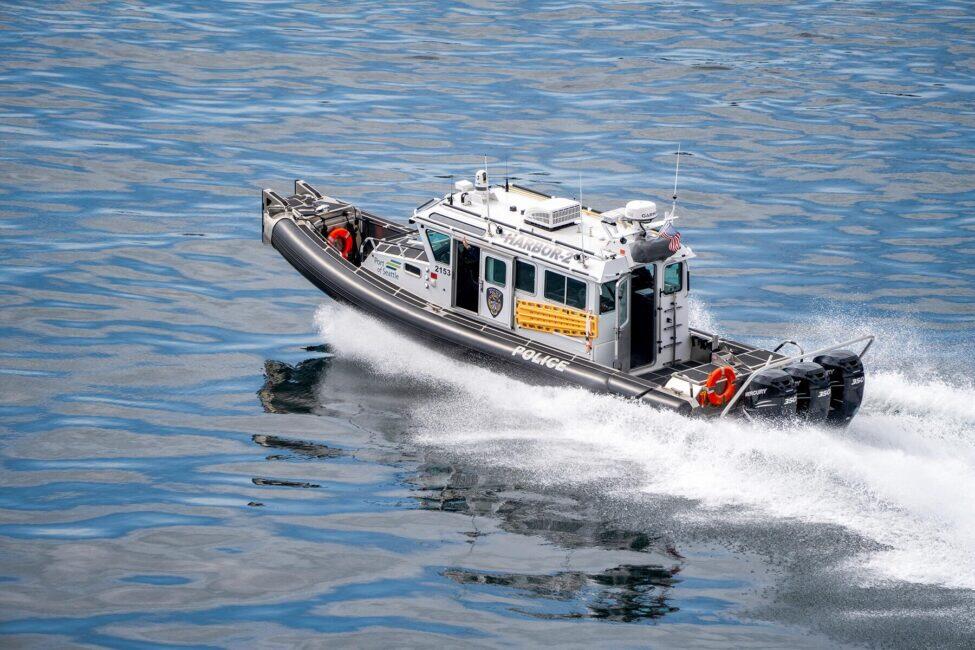
For ships bound for U.S. ports, the Centers for Disease Control requires all deaths on board to be reported immediately to the nearest quarantine station. If a suspicious death occurs, the captain or other leader must also notify the FBI so that it can begin an independent investigation, sometimes with the cooperation of the Coast Guard.
If a person dies in a port or in the waters of another country, the situation becomes more complicated from a legal perspective, as that country's respective regulatory or investigative units will usually become involved. In international waters, the country where the ship is registered is responsible for handling reports and possible investigations.
“There are a lot of different government entities that could be involved,” said Jason Margulies, an attorney for the company. Lipcon, Margulies and Winkleman Companiesspecializing in maritime law.

go home
While a death on board can trigger many different actions, nothing is more important to a person's family than getting their loved one home. This is a highly personal and painful situation, and one that cruise lines know to handle with care and caution.
“Cruise lines will offer the family the option of coordinating the release of the body,” Margulis said. “For example, while the family may choose to fly home from an intermediate port due to the death, they may choose to keep the body in the ship's morgue until the ship returns to a U.S. port.”
Then there's the cost issue. Depending on where in the world the death occurs, the cost of transporting the body back to its home country can run into tens of thousands of dollars. Margulies said there is no formal requirement from the cruise line to cover these costs. However, in some cases they will cooperate and help, especially if something goes wrong on the boat.
“If a death is caused by negligence or misconduct on board a ship, then the cruise line will certainly have a financial obligation,” Margulis said.
the more you know
When planning your dream cruise, the last thing you may want to think about is whether you will be overdue on your vacation, how it will be handled, and whether your family will be supported in bringing you back. As the data shows, this is rare. But doing a little planning might stop a heartbreaking situation from getting worse.
Obtain a medical certificate before sailing, especially when traveling in remote waters. Carry originals of your travel documents and keep a hard copy with you in port and on excursions. Regardless, take out travel insurance to cover repatriation costs in the event of the unthinkable.
“The holidays shouldn't be a stressful time,” Margulies stressed. “I always say that a cruise can really be a wonderful vacation, unless something goes wrong, then it really can be a nightmare. If you take some diligent steps before taking a cruise, you can avoid a lot of these headaches.”